
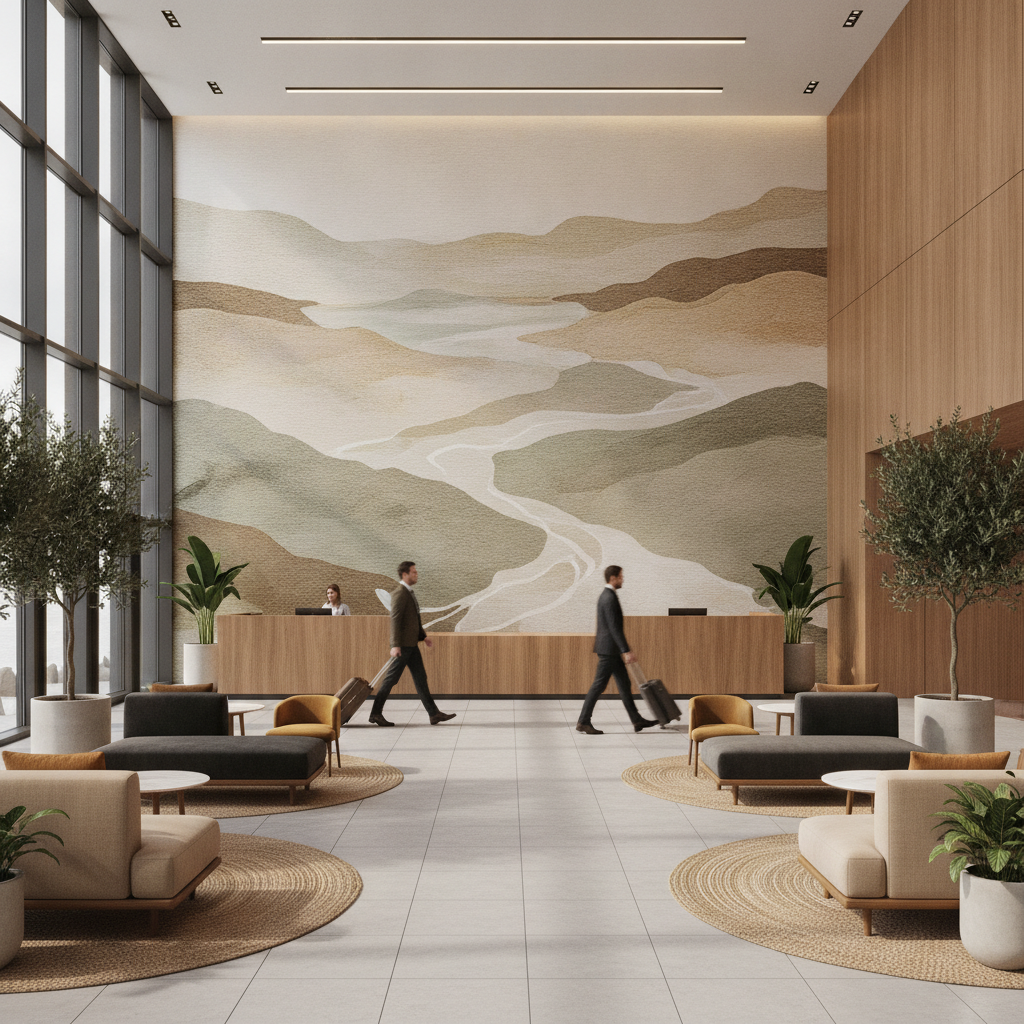
Hotel Decorative Wall Graphics: 10 Ideas Brampton Hotels Use
Direct-to-wall UV graphics for Brampton hotels with mockups, photo quotes, surface prep, and quiet on-site printing. See process, 10 high-ROI spots, and tips.
By Ink Blend • Last updated: 2026-07-11
Service areaProject-based across Ontario and Canada with fast coordination in Brampton Core servicesUV wall printing, custom wall murals, commercial branding, large-format surface printing WorkflowDiscovery → Mockups & approvals → Surface prep → On-site UV print → Reveal Quoting methodPhoto- and measurement-based quotes with visual direction ApprovalsScaled mockups with placement notes before print day- Overview
- Definition: not just wall art prints
- 10 high-ROI hotel locations
- Process: photo quote to finished wall
- Surfaces and hotel materials
- Provider questions that matter
- Direct-to-wall UV vs vinyl/canvas
- Local tip for Brampton hotels
- FAQ
Overview
Ink Blend turns blank hospitality walls into brand assets using direct-to-wall UV printing. Our workflow replaces guesswork with mockups, approvals, and coordinated on-site work so Brampton hotels get seamless, durable visuals that clean easily and photograph beautifully.
Picture a guest stepping into your lobby: the reception backdrop reads clean and matte under warm lighting, edges align to millwork reveals, and brand tones hold their depth from morning sunlight through evening ambience. That’s the difference between framed art that hangs on a wall and a printed finish that becomes the wall.
For brand-forward inspiration, explore our custom wall murals and how they relate to the broader pillar conversation around wall murals in Toronto—then see how our UV wall printing and commercial branding services carry that clarity into hospitality spaces.
What Are Hotel Decorative Wall Graphics (and Why They’re Not Wall Art Prints)
Hotel wall graphics are architectural finishes, not framed objects. We print the design directly onto prepared walls, planned with scaled mockups and alignment notes. The result is seamless, low-profile, easy to clean, and built to perform in high-traffic hospitality areas.
In our experience, the biggest misconception is treating graphics like interchangeable posters. Direct-to-wall changes the math: placement respects lighting, sightlines, and life-safety clearances; imagery often spans multiple planes; and maintenance teams clean a smooth surface, not navigate frame edges. That integrated feel drives guest perception and consistency.
Where Hotels Actually Use Decorative Wall Graphics
Prioritize reception backdrops, elevator lobbies, and guest corridors first—they influence the most journeys and photos. Then extend graphics to suites, amenities, and meeting spaces for a cohesive brand experience from arrival through stay.
- Lobby feature wall (top priority): Design for check-in camera angles and glare control. Tip: keep mid-tone textures behind the desk to flatter guest photos. Avoid high-gloss looks that hotspot under downlights.
- Check-in backdrops: Subtle patterns or city motifs that read clean behind staff. Align to millwork joints so lines don’t fight cabinetry.
- Elevator lobbies (underrated ROI): Guests linger here. Use floor identity cues and directional motifs. Keep edges clear of call buttons and signage to maintain accessibility.
- Guest corridors: Repeating motifs calm long runs and reduce scuff visibility. Maintain consistent baseline heights so patterns ride level across door frames.
- Suite headboard walls: Softer, low-contrast imagery for rest. Keep graphics outside lamp swing arcs and thermostat zones for long-term cleanliness.
- Amenity spaces (fitness/spa/pool): Energizing themes on sealed surfaces. Plan for humidity and cleaning—favor smoother finishes and avoid micro-grooves that trap moisture.
- Meeting rooms: Culture statements and flexible brand areas that still read clearly on video calls. Keep sightlines clean behind presenter zones.
- Restaurants and bars: Statement murals that photograph well for social posts. Coordinate with menu boards and pendant lighting to avoid visual clashes.
- Wayfinding touchpoints: Integrate icons, arrows, and numeric patterns into décor so guidance feels intentional. Maintain strong contrast for readability.
- Back-of-house culture: Reinforce service standards in staff corridors without adding trim profiles that catch carts.
We design for the lens and the eye—graphics should look natural in a smartphone shot and in person. For premium focal points, our luxury feature walls and surface printing options extend finishes across mixed materials.
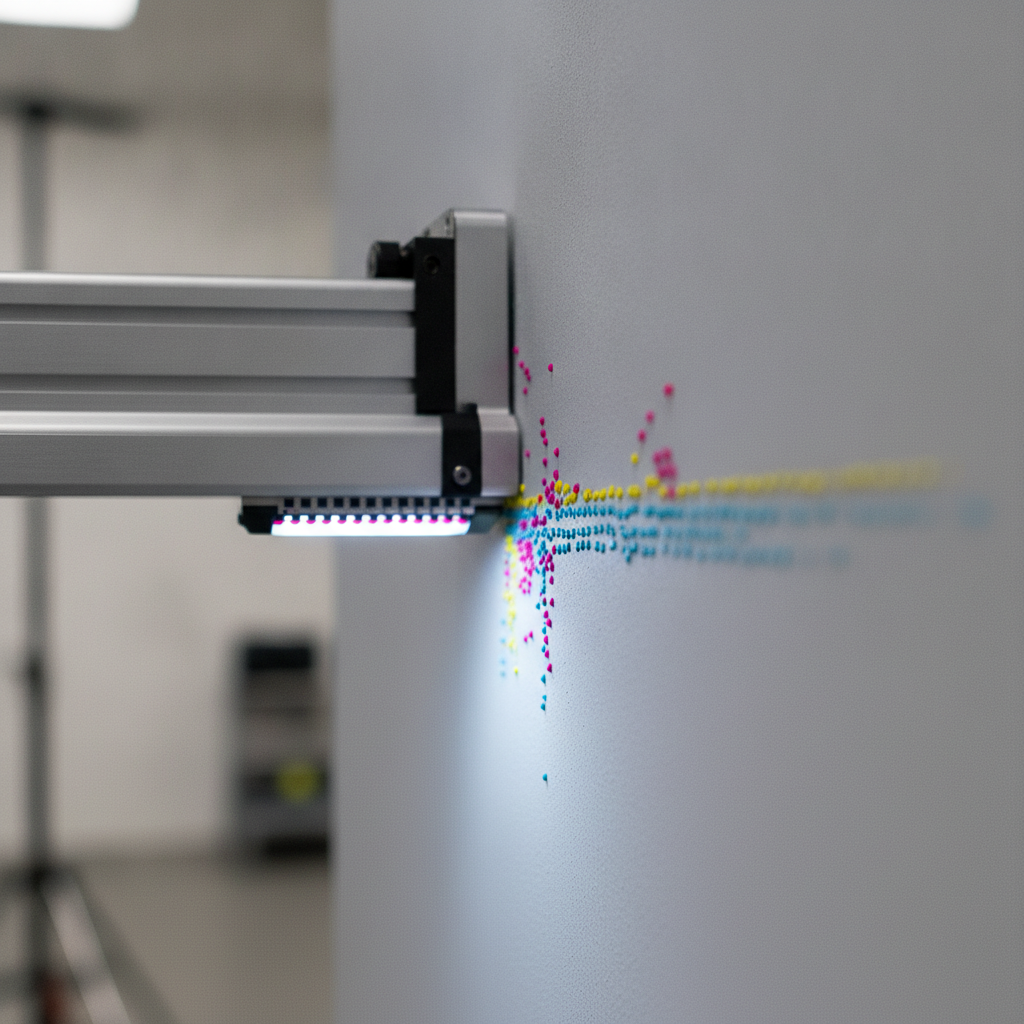
How the Process Works: From Photo Quote to Finished Wall
Send wall photos and measurements. We return scaled mockups and placement notes, coordinate surface readiness, then print on-site with UV-curable inks. Single-wall scopes often complete in one site window with light cleanup and a documented reveal.
- Discovery: Share photos, measurements, and goals. We confirm constraints (texture, humidity, lighting, access windows).
- Mockups & approvals: Visual previews at scale show alignment to millwork, signage, and life-safety devices.
- Surface preparation: Patch, sand, and prime as needed; verify paint has fully cured and the wall is clean and dry.
- On-site UV print: Low-odor process lays ink flush to the surface for a thin, durable profile.
- Reveal & handoff: Walkthrough, touch-ups if required, and care notes for housekeeping.
Good prep multiplies results. Guidance from The UPS Store Canada on large-format work echoes our stance: clean, dry, smooth surfaces produce sharper graphics and longer service life.
Free visual preview: Email wall photos and rough measurements. We’ll return a scaled mockup and practical guidance so you can approve the look before booking.
Surface and Material Considerations for Hotel Environments
Direct-to-wall UV printing loves smooth, clean, fully cured paint and sealed substrates. Light textures are workable with adjusted artwork; heavy textures soften detail. In moisture zones, prioritize sealed finishes and ventilation for durability and easy cleaning.
- Paint sheen and cure: Eggshell or satin acrylic paints give a balanced, low-glare base. Print only after full cure; rushing risks adhesion and print clarity.
- Texture tolerance: Light orange peel is fine; heavy knockdown reduces micro-detail. We adapt the art and test a small area when needed.
- Material mix: Drywall, sealed concrete, MDF, and ACM panels accept UV inks well once properly prepped.
- Humidity zones: For spa/pool walls, rely on sealed surfaces and regular airflow. Avoid deep textures that trap moisture.
- Prep discipline: A practical prep guide from Brilliant Brush Painting outlines clean, patch, sand, and prime steps—exactly the foundation high-fidelity graphics need.
Local operators align on similar fundamentals; a Brampton interiors overview by SGRD Construction underscores surface readiness and finishing sequence, which pairs well with our direct-to-wall workflow.
What to Ask Any Wall Graphics Provider Before You Commit
Ask for direct-to-wall capability, scaled mockups, and a surface-readiness plan. Confirm on-site logistics around guests, housekeeping, and engineering. Require hospitality references that show alignment to lighting, millwork, and life-safety devices.
- Method: Do you print direct-to-wall, or only install vinyl/panels? The feel and maintenance differ.
- Mockups: Will you provide scaled previews with placement notes and sightlines before scheduling?
- Surface readiness: Who verifies cure, texture, and cleanliness—and how do you document it?
- On-site plan: What controls are used for dust, odor, and quiet operations during occupancy?
- Hospitality portfolio: Can you show lobbies, corridors, and amenities with similar constraints?
Our approach bakes these answers in: see our step-by-step process and collaboration options on interior design graphics.
Why Direct-to-Wall UV Printing Outperforms Vinyl Wraps and Canvas Panels for Hotels
For high-traffic hospitality areas, UV printing creates a seamless, low-profile finish with fewer failure points and better cleaning performance. Vinyl and canvas introduce seams, adhesive variables, and profiles that add visual clutter and maintenance risk.
- Seamless look: No panel gaps or overlap lines—better for photography and daily wipe-downs.
- Operational fit: Low-odor printing and compact setups reduce disruption compared with adhesive installs.
- Design control: On-site alignment to lighting, signage, and millwork protects intent.
- Longevity: UV-cured inks form a durable film that tolerates gentle cleaning on properly prepared surfaces.
- Selective pairing: Where removability is essential, mix direct-to-wall features with targeted panel installs.
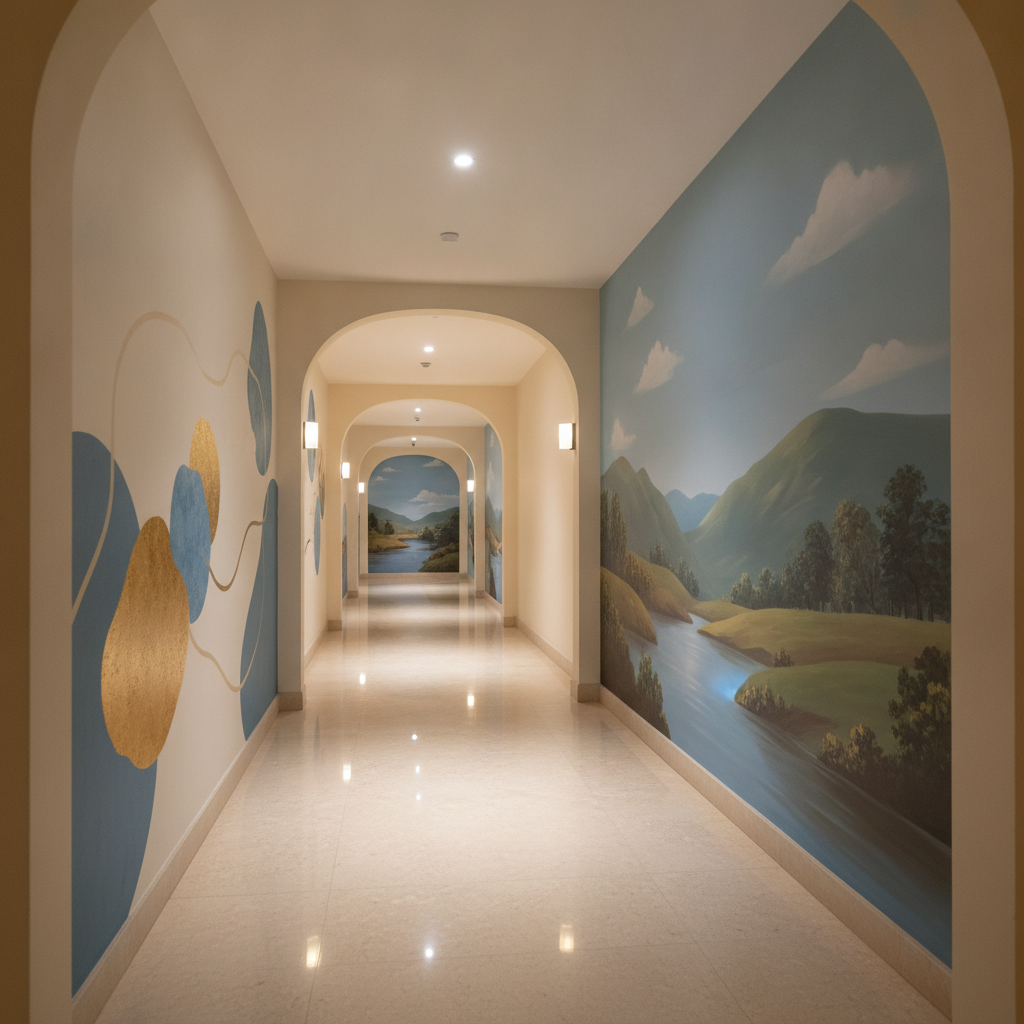
Local Tip: Getting Hotel Wall Graphics Done in Brampton
Stage printing during lighter occupancy windows and confirm paint cure ahead of time. As a Brampton-based operator, we align with facilities teams quickly and phase multi-floor scopes to reopen guest corridors the same day when feasible.
Fast-track coordination in Brampton
We plan crew arrivals around housekeeping and engineering schedules. For stacked floors, we group walls by zone, protect thresholds, and keep elevator blocks tight so guests and staff move freely.
Local considerations for Brampton
- Lock mockup approvals with your brand team early so Brampton site dates stay firm.
- Winter projects require extra cure windows for fresh paint—build that slack into schedules.
- Reserve brief elevator blocks for equipment moves at off-peak times to minimize disruption.
Need a statement concept to react to? Our custom artwork printing and feature wall services make it easy to compare options before you book.
FAQ
Hotels ask about durability, cleaning, timelines, and surface readiness. These answers reflect our direct-to-wall UV workflow and hospitality coordination in Brampton.
What makes hotel decorative wall graphics different from wallpaper?
Wallpaper depends on seams and adhesives; direct-to-wall UV graphics become part of the wall. You get a smooth, low-profile finish that’s easier to clean and photograph—ideal for lobbies, corridors, and elevator banks.
How do you reduce glare behind reception?
We choose artwork tones and textures that sit well under warm, directional lighting and place the design to avoid hotspots. Matte, mid-tone fields typically read best in guest photos and day-to-night lighting shifts.
What surfaces work best for UV printing in hotels?
Smooth, fully cured paint and sealed substrates like MDF, ACM, or sealed concrete perform well. Light textures are workable with adjusted art; heavy textures will soften detail. We verify readiness before scheduling.
Can you coordinate multi-floor or occupied-hotel projects?
Yes. We phase floors and zones, align with housekeeping and engineering, and keep odor and noise low. Mockups, placement notes, and photo documentation help brand teams sign off quickly.
Key takeaways
- Start with reception, elevator lobbies, and guest corridors for the strongest impact.
- Direct-to-wall UV printing delivers seamless, low-profile visuals that clean easily.
- Prep and cure discipline protects adhesion and clarity over time.
- Mockups and approvals de-risk installation and align brand teams fast.
About the author: Ink Blend is a UV wall printing studio in Brampton focused on hospitality, retail, and workplace interiors. We specialize in direct-to-wall UV printing, custom murals, commercial branding, and large-format surface graphics—guided by scaled mockups and organized on-site coordination.
Next step: Share wall photos and measurements to receive a free visual preview. We’ll recommend the best placement and phasing for your Brampton property.