
Chosen to live with, not just to like
Liking an image and wanting to see it every morning for years are different tests. We will encourage you to apply the second one before committing.
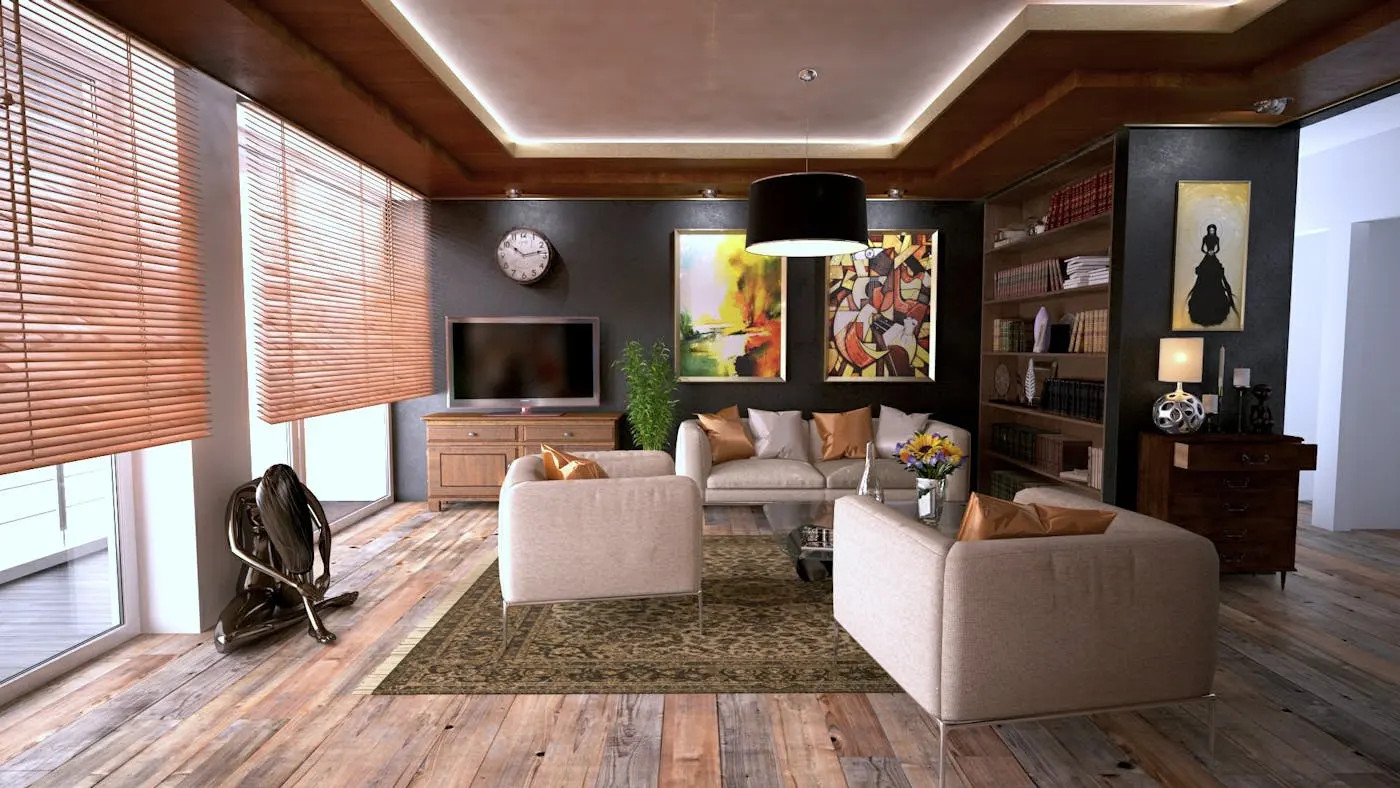
Homes and luxury interiors
Domestic wall printing has one characteristic that separates it from every commercial application: you have to live with it. A restaurant wall is experienced for ninety minutes, an office wall during working hours, a hotel corridor in passing. A wall in your own home is seen first thing every morning, in changing light, for as long as you own the house. That is a much higher bar than 'do I like this image', and it deserves a more careful conversation than it usually gets.
What this means in practice
Liking an image and wanting to see it every morning for years are different tests. We will encourage you to apply the second one before committing.
A domestic wall is seen in every light there is — early, midday, lamplight. An image that sings at noon can fall flat at eight in the evening.
Children's rooms get outgrown on a predictable schedule. Worth deciding up front whether you are committing for three years or fifteen.
A domestic wall sits among finishes you already chose. Send the room in context so the result belongs there rather than arriving on top of it.
Have those details to hand? That is everything we need to give you a real answer.
Send them nowBefore you enquire
A family photograph you love is the most common domestic brief and the one most likely to be too small. Find out before you commit to the wall, not after.
Fill in the wall size and the image dimensions to see the result.
There is a test worth applying before committing to any custom wall murals at home — a test we end up describing on most Oakville enquiries — and it is not whether you like the image. It is whether you want to see it at seven on a Tuesday morning, in February, when you are not in the mood to be impressed. Images that pass that test tend to be quieter than the ones people choose from a mood board, and they tend to have depth that reveals itself slowly rather than impact that lands immediately and then stops giving.
This is where domestic work differs sharply from hospitality. A restaurant wants a wall that lands in the first ten seconds because that is all it gets. A home has the opposite problem: the first ten seconds are the easy part, and the next ten thousand viewings are the actual brief.
The practical suggestion is unglamorous but effective. Live with a large printed version of the candidate image taped to the wall for a week before committing. Most people either stop noticing it in a good way, or find it grating by day four. Both are extremely useful answers and both are far cheaper to discover in advance.
A domestic wall is seen in more lighting conditions than any commercial one. Early morning, flat midday, low evening sun, lamplight, a single reading light, complete darkness with a hallway spill. A commercial interior mostly has one lighting state and holds it. A home cycles through all of them every day, and an image can behave very differently at each point.
Direct sun is the specific thing to raise. A wall that catches hard afternoon sun through a south or west window is in a materially different situation from one on a north wall, both in how the image reads and in what any finish is subjected to over time. Ink Blend's published position is that durability depends on preparation, traffic, light exposure and maintenance — light exposure is the relevant one here, and it is worth being straightforward about which wall you are considering.
The most useful thing you can send costs nothing: photograph the wall three times in one day. Morning, mid-afternoon and after dark with the lamps on. It shows us the range the image has to work across, and it frequently changes which wall in the room is the right candidate.
Children's rooms are the most requested domestic wall and the one most likely to be regretted, for a straightforward reason: the brief has a known expiry date. A five-year-old's favourite thing is not a nine-year-old's, and a printed wall is a permanent finish rather than a poster. That does not make it a bad idea — plenty of people are entirely happy to redecorate a room in five years, and a child having a wall they love is worth something real. It just wants deciding consciously rather than by default.
Where there is doubt, the more durable choice is usually a treatment tied to the room rather than to a current interest: landscape, sky, pattern, colour and texture, rather than a specific character or franchise. Those tend to survive a change of taste and hold up considerably better if the room later becomes a guest room or a study.
On resale, the honest answer is that it depends entirely on the wall. A considered, neutral treatment in a stairwell or dining room generally reads as a finish, like a good floor or decent joinery. A highly specific image in a principal bedroom reads as a taste decision a buyer has to undo. Either is fine — but if resale is a factor for you, say so, because it should influence the design rather than be discovered afterwards.
Context
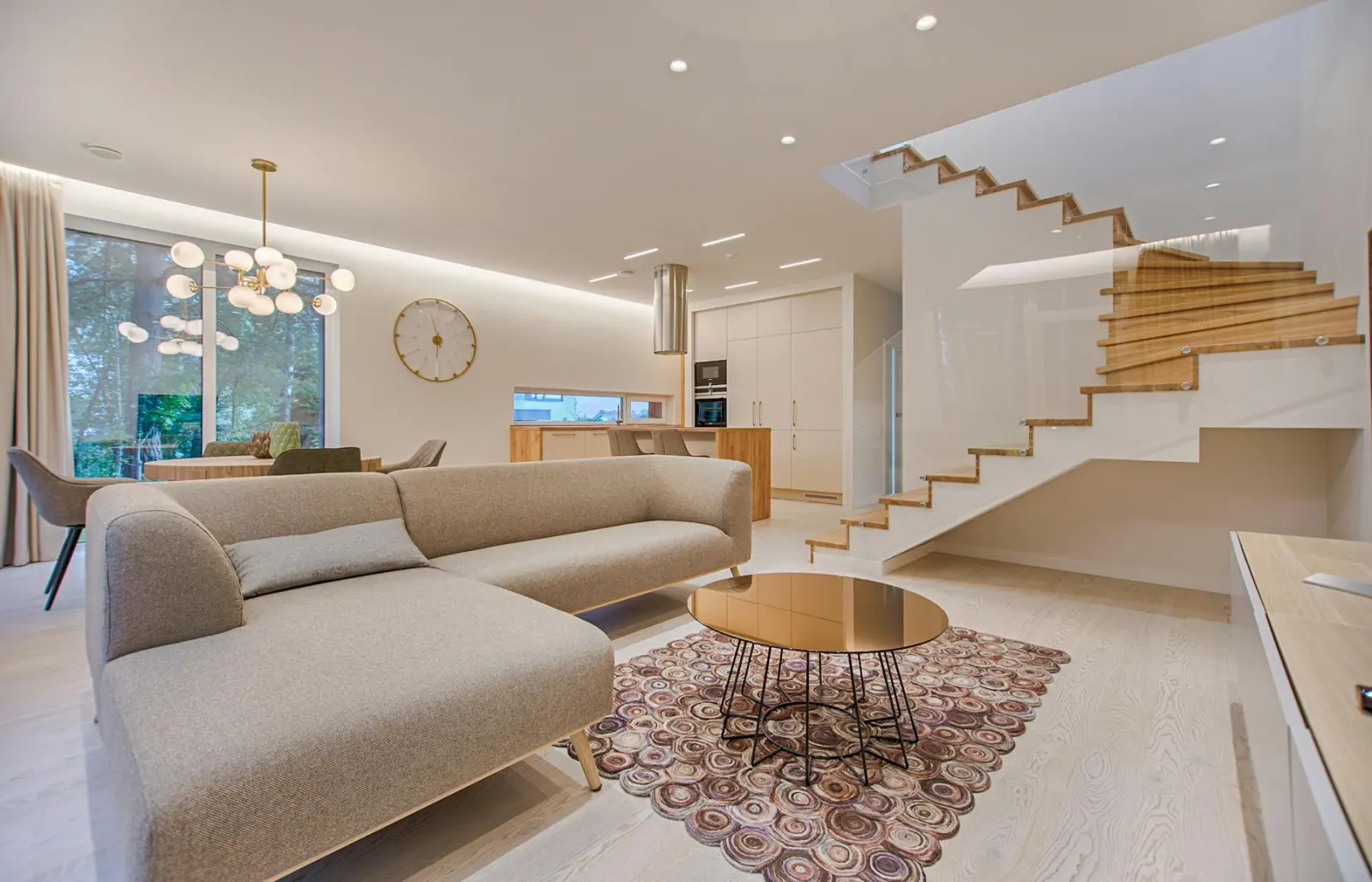
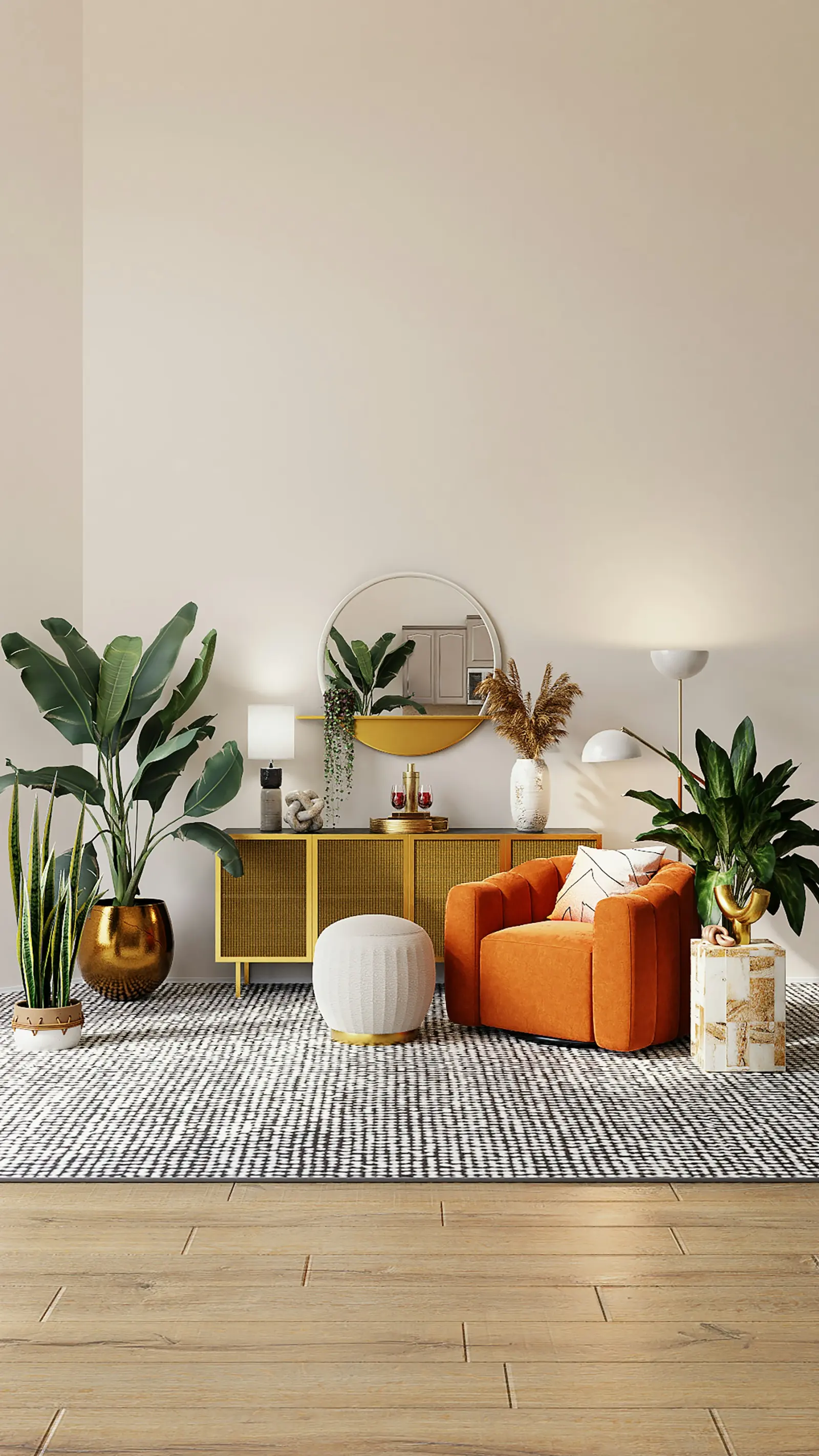
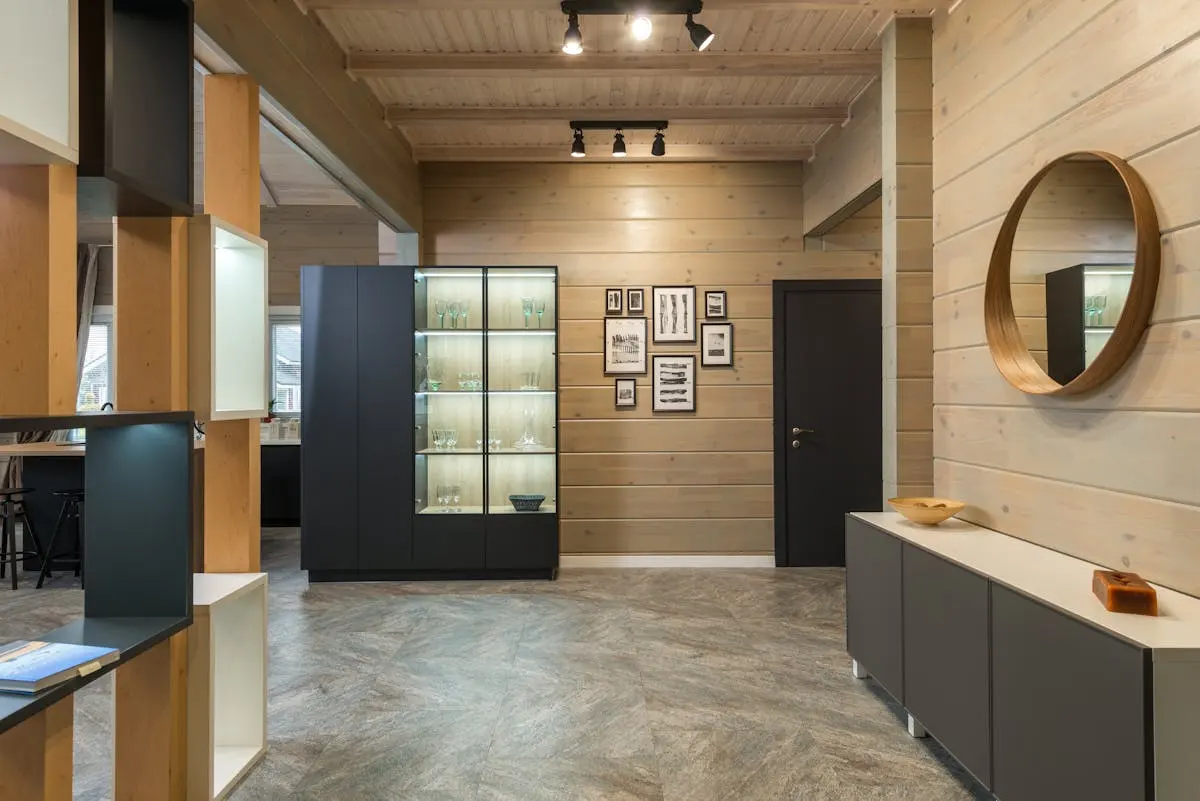
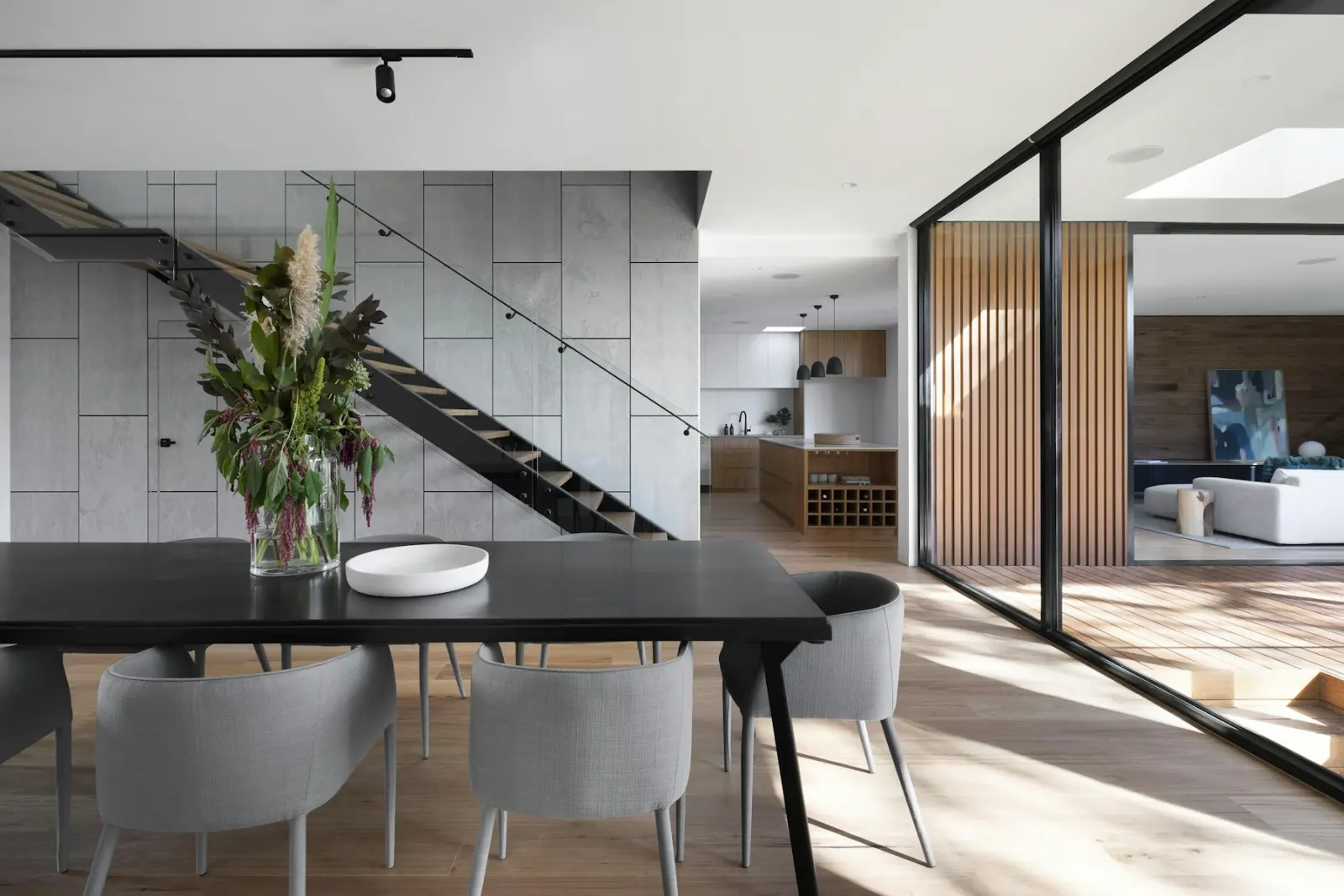
Reference imagery showing the sorts of rooms and surfaces this work sits in. These are not Ink Blend projects — each caption describes what the photograph actually shows.

FAQs
Apply a harder test than whether you like it: do you want to see it at seven on a Tuesday morning in February? Then tape a large printed version to the wall and live with it for a week. Most people either stop noticing it in a good way or find it grating by day four. Both answers are worth having in advance.
Often more than the image does. Photograph the wall three times in one day — morning, mid-afternoon, and after dark with the lamps on. A home cycles through more lighting states than any commercial interior, and seeing the range frequently changes which wall turns out to be the right candidate.
Raise it rather than avoid it outright, because it genuinely changes the situation. The published position is that durability depends on surface preparation, traffic, light exposure and maintenance, and a wall catching hard west sun is in a different position from a north-facing one. Tell us the orientation and we will be straightforward with you.
It can be, as long as the decision is conscious. The brief has a known expiry date — a five-year-old's favourite thing is not a nine-year-old's — and this is a permanent finish, not a poster. If there is doubt, something tied to the room rather than a current interest, like landscape, sky, pattern or texture, survives a change of taste far better.
It depends on the wall. A considered, restrained treatment in a stairwell or dining room reads like a finish, the way good flooring or joinery does. A highly specific image in a principal bedroom reads as a taste decision a buyer has to undo. Neither is wrong, but if resale matters to you, say so, so it can shape the design.
Gladly, and it produces a better result. A domestic wall sits among flooring, trim, millwork and paint you already chose and paid for. Send the room in context rather than the wall alone, plus any mood board, fabric selection or palette already agreed, and we will work inside it rather than against it.
Get a quote
Morning, mid-afternoon, and after dark with the lamps on. Add where you actually see the wall from, the window orientation, and any scheme your designer has agreed. If it is a child's room, tell us how long you expect it to last.
Or reach us another wayStart with a wall photo
Send photos, measurements, and a rough idea. Ink Blend will map the fastest path from concept to quote.