
It tells you when the answer is no
A tool that says yes to everything is worthless. This one flags decisions you have to make and surfaces we would need to see before saying anything useful.
Interactive tool
Almost every disappointing wall-printing job traces back to the surface rather than the artwork. A wall that looked fine head-on turned out to be textured, or hollow in places, or freshly plastered and still drying, or wallpapered a decade ago with the adhesive never fully removed. None of that is exotic and all of it is knowable in advance. Six questions below, and you get a straight read on what your wall needs — including the answers that are honestly "we would need to see it".
0 of 6 answered — the result appears once all six are in.
What this means in practice
A tool that says yes to everything is worthless. This one flags decisions you have to make and surfaces we would need to see before saying anything useful.
Freshly finished walls hold water from the build. It is the single most common avoidable mistake on new construction, and nobody asks about it.
Including the raking-light shot almost nobody takes — a phone light held flat against the wall, which reveals what a straight-on photo completely hides.
If you lease, there are two things to check before anyone designs anything. Discovering them later is one of the most common reasons a project stalls.
Have those details to hand? That is everything we need to give you a real answer.
Send them nowThere is a persistent assumption that printing onto a wall is mostly about the printing. In practice the image is the last and most predictable stage, and everything interesting happens before it. Ink Blend's published requirement is a surface that is smooth, clean, dry and properly prepared — four words that between them cover filling, sealing, flattening, making good and simply waiting.
This matters commercially as well as technically, because surface preparation is the single most common reason two quotes for the same wall come back at different numbers. One supplier has looked at the wall and priced the work it needs; the other has priced the printing and will raise the rest later. Knowing what your own wall needs makes you a much harder person to quote badly.
The check deliberately returns "we would need to see it" where that is the honest answer. Any tool that produces a confident verdict on a surface it has never seen is selling certainty it does not have.
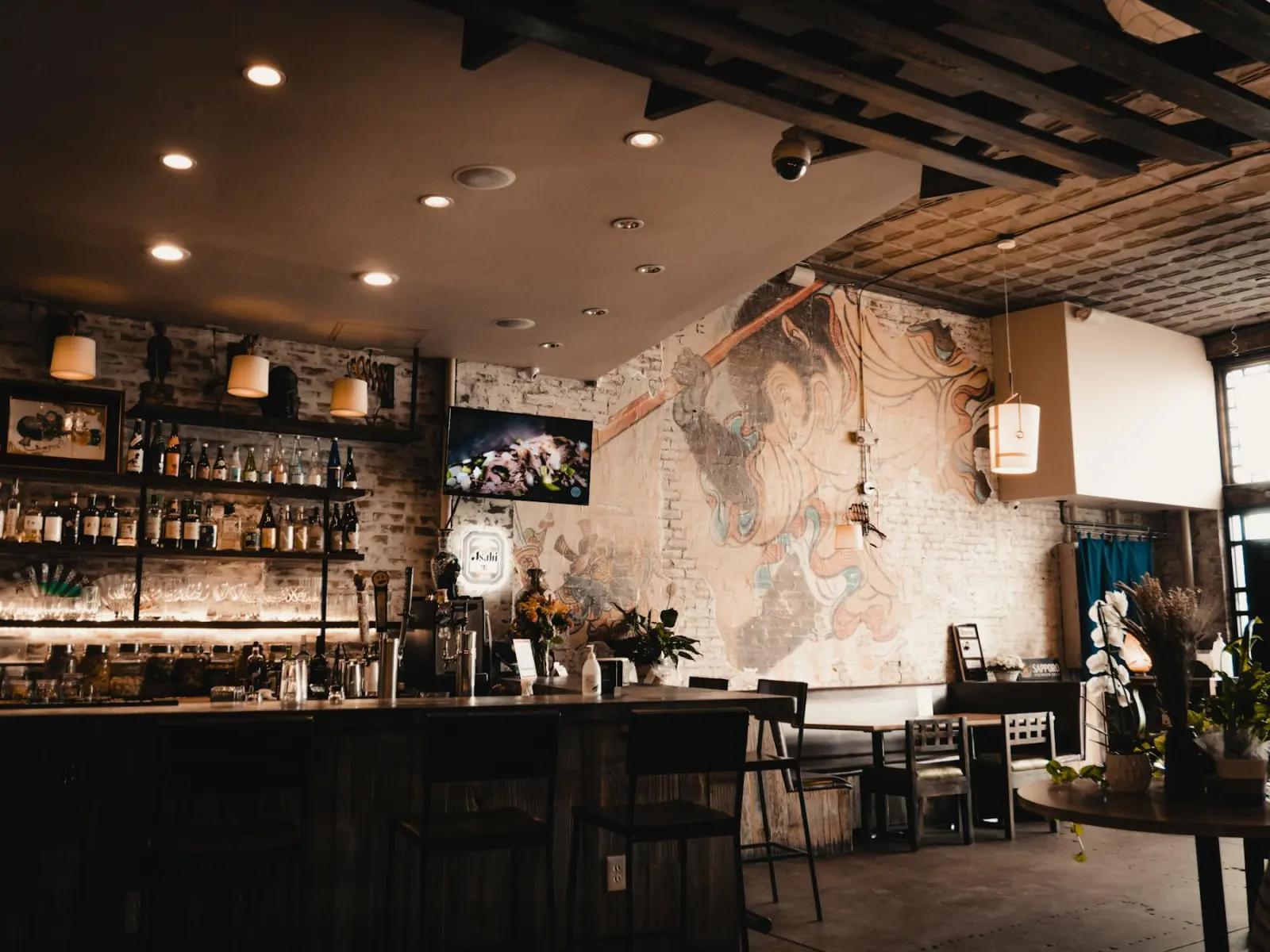
Brick, board-formed concrete and deep-relief plaster all have a face that an image will follow. That is frequently the reason people want those walls in the first place, and letting the texture read through the artwork can look genuinely excellent — a lot of the appeal of a converted-warehouse interior comes from exactly that honesty about the building's fabric.
What it will not do is hold fine detail. Small text, thin linework and delicate gradients disappear into a mortar line. So a textured wall pushes you toward bolder compositions with larger forms, and that is a creative constraint worth knowing before a designer starts rather than after.
The alternative is filling and levelling for a flat face. It works, it is real work, and it permanently changes the character of the wall. Neither answer is wrong. What causes disappointment is not choosing, and then discovering which way it went after the fact.
The single most useful photograph is the one almost nobody takes. Hold a phone light flat against the wall so it shines along the surface rather than at it, then photograph. Every ripple, patch, hollow and texture change appears immediately. On an older wall it tells us more in one image than a dozen straight-on shots.
Alongside that, send the wall square-on with everything still fixed to it — the shelving, the screen, the switch plates, the exit sign. Photographs that mentally edit those out produce concepts that have to be redone once the real constraints appear. If the wall is long, tall or turns a corner, send overlapping sections rather than one attempt at the whole thing. Stairwells in particular are almost never captured in a single frame.
The check writes your answers into a summary you can send with the enquiry. That is the point of it — a wall description with substrate, age, texture, coatings and tenure already answered is worth considerably more than a message saying you have a wall and would like a price.
Context
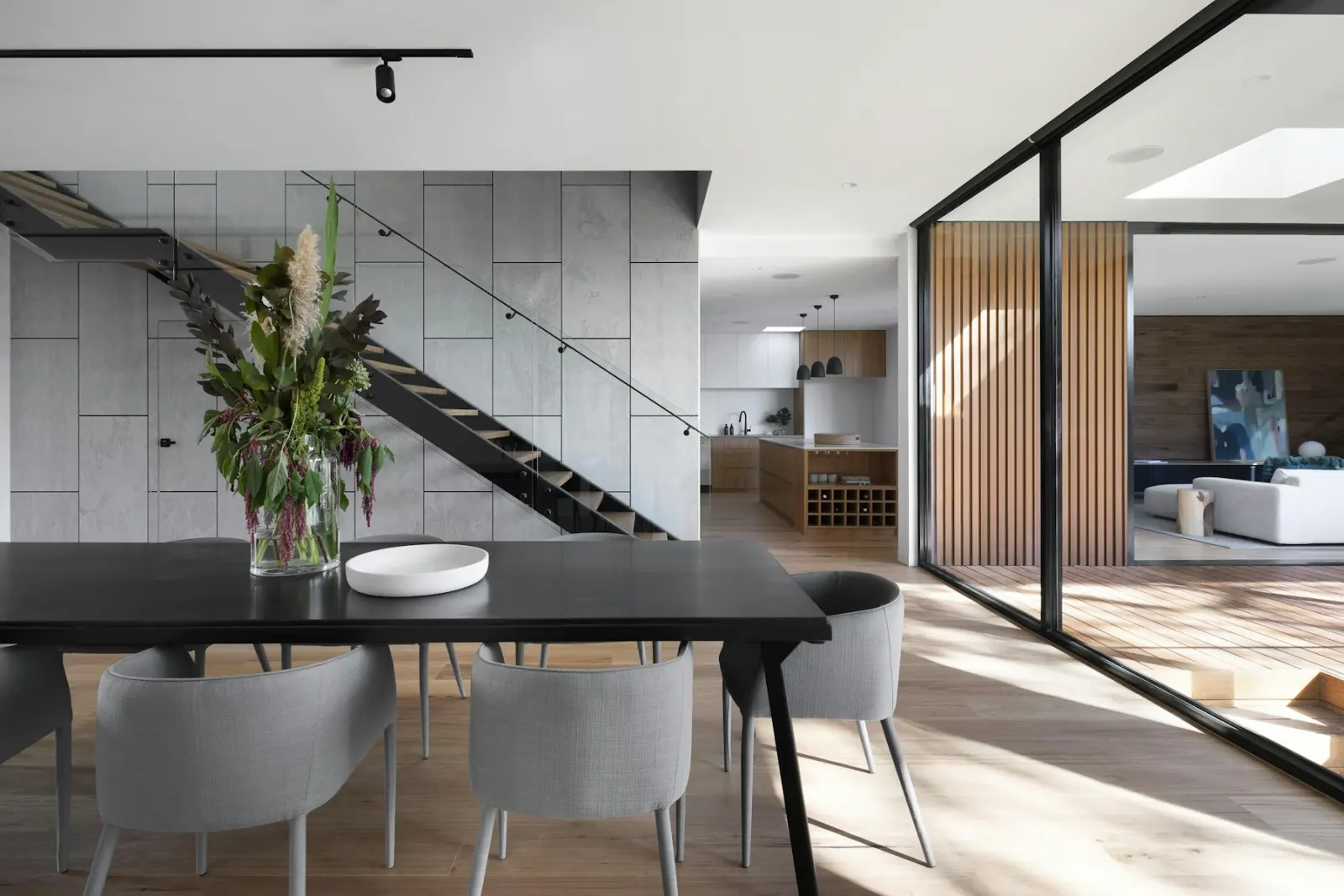
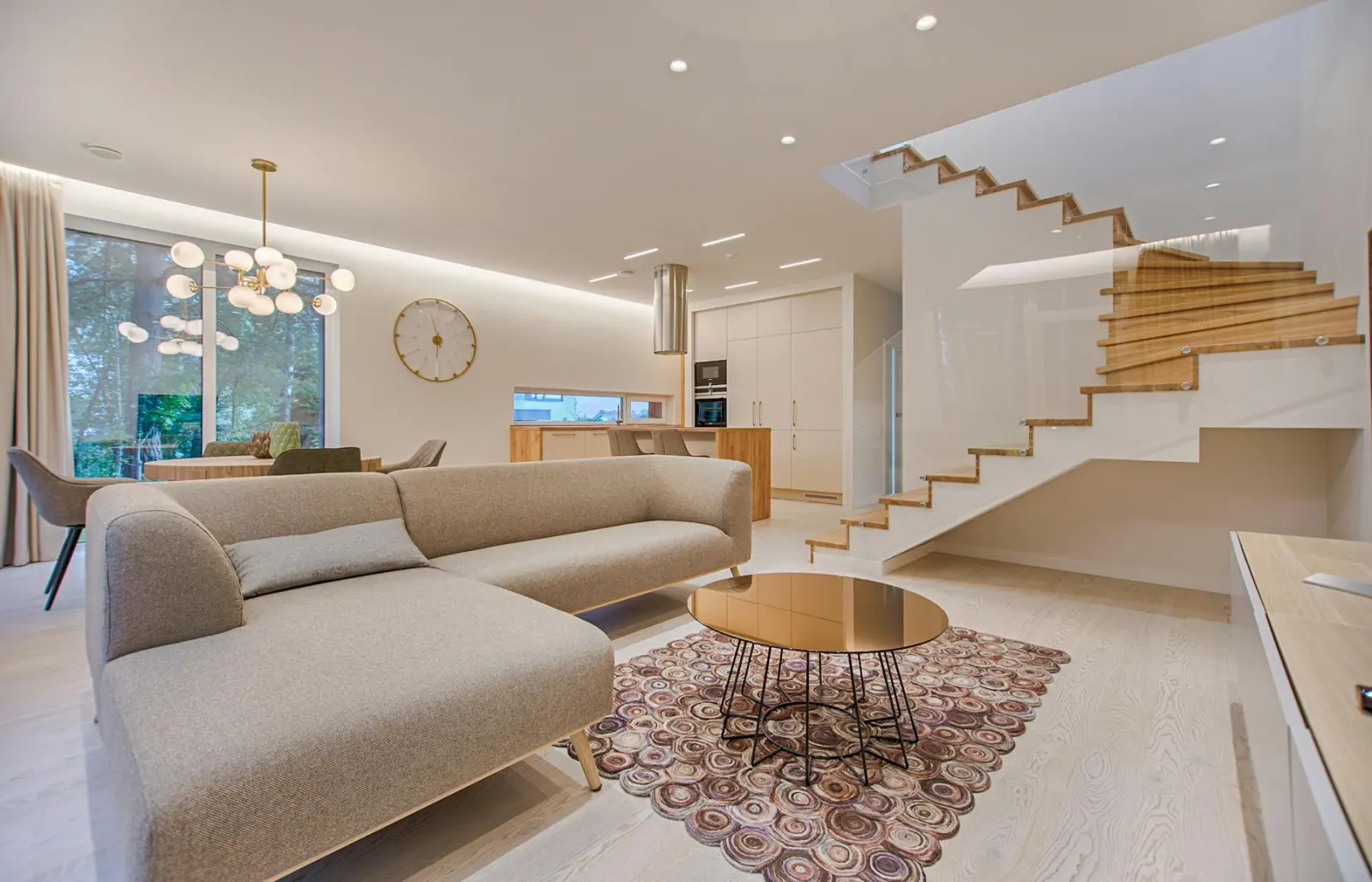
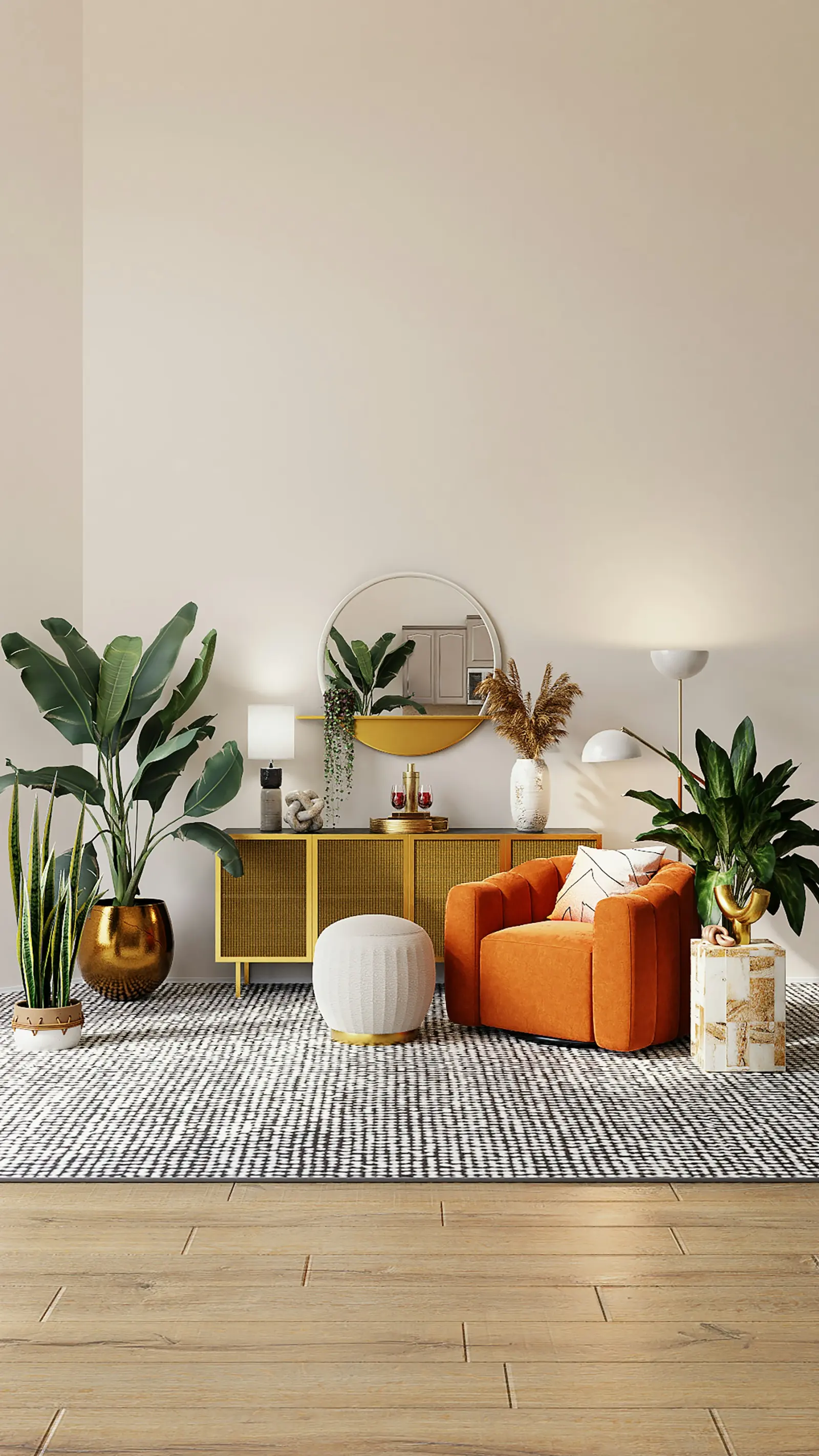
Reference imagery showing the sorts of rooms and surfaces this work sits in. These are not Ink Blend projects — each caption describes what the photograph actually shows.
FAQs
Yes, and not knowing is a completely normal answer in an older building. The check will tell you which unknowns actually matter and how to resolve them — usually with a torch, a knuckle and two minutes. It is designed to turn vague uncertainty into a specific short list rather than to punish you for not being a surveyor.
Because a brand-new wall is often less ready than a twenty-year-old one. Drywall compound, plaster and skim coats all carry water when they go on and release it over time, and printing onto a surface still doing that introduces a variable nobody wants. It is the most common avoidable mistake on new construction.
No. It means there is a stage before the printing that has to be planned and paid for rather than discovered. Filling, sealing, flattening a texture or making good a hollow section is ordinary work. The point of flagging it is that it should be in the quote from the start.
No, and deliberately so. Ink Blend quotes per wall rather than from a rate card, and a number produced by a form that has never seen your surface would be a guess dressed up as an answer. The Quote Planner will tell you what moves the number, which is more useful than a figure you cannot rely on.
Tap along it with a knuckle and listen for anywhere the sound changes from solid to drummy. Old plaster sometimes parts from the lath behind it, and those sections need making good whatever finish goes on top. Note roughly where it happens and mention it — it is far better as a known item than as a surprise on the day.
Two things. Whether they need to approve a permanent finish to a base-building wall, and whether your lease carries a reinstatement or make-good clause requiring the wall be returned to plain paint at the end of term. Both are free to ask and both are common reasons these projects stall halfway.
Get a quote
The check writes your answers into a summary. Add a square-on photo, a raking-light shot and rough measurements, and you will get a specific reply rather than a request for more information.
Or reach us another wayStart with a wall photo
Send photos, measurements, and a rough idea. Ink Blend will map the fastest path from concept to quote.