
An honest read on the substrate
Brick, old plaster and board-formed concrete each behave differently. We would rather tell you a wall needs work than pretend it does not and disappoint you later.
Hamilton, Ontario
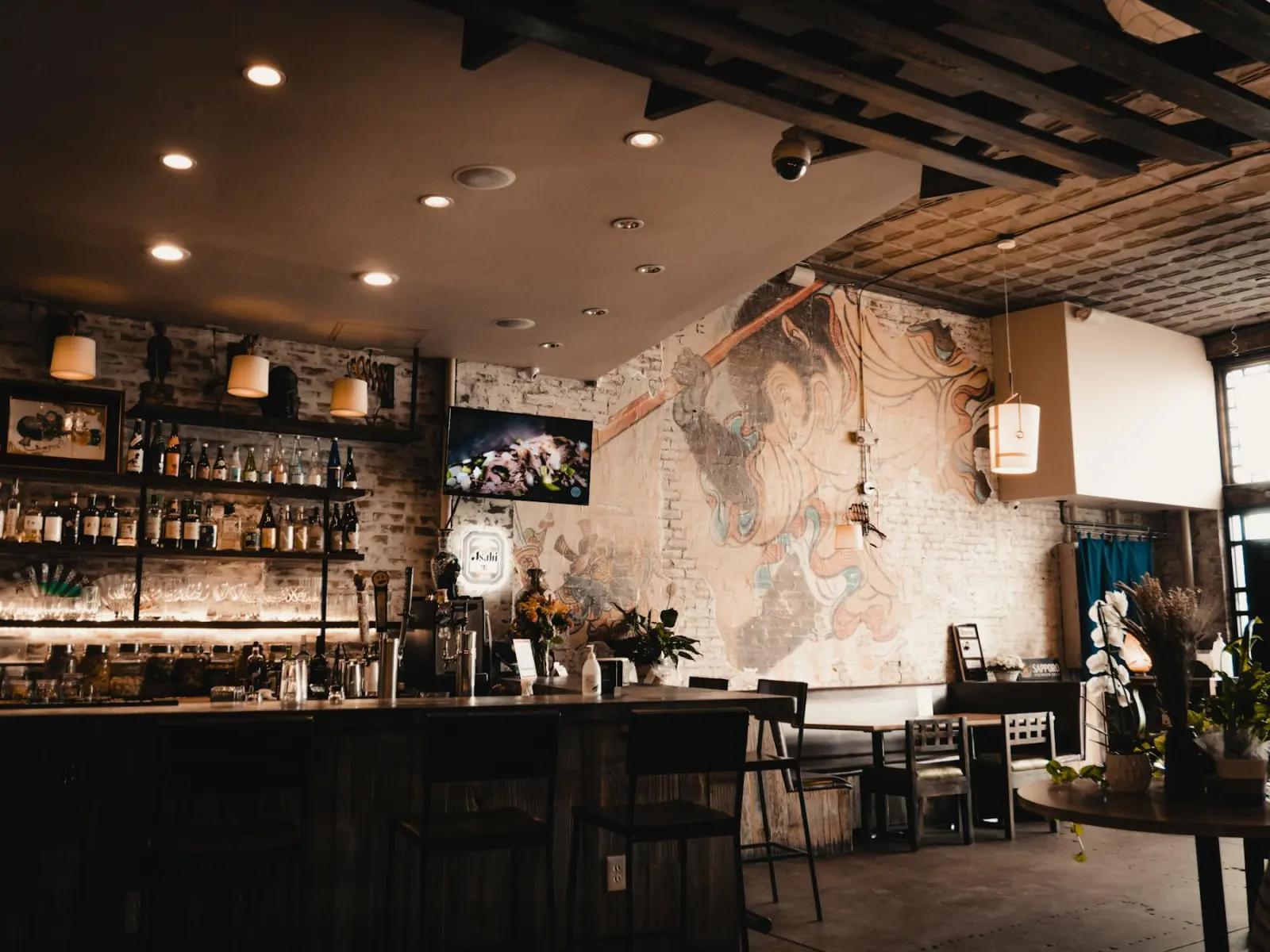
Hamilton's best rooms tend to be its most awkward ones. The converted warehouses and older commercial buildings around James Street North, Ottawa Street North and the downtown core have brick, board-formed concrete, original plaster and every kind of later patch, which is a good deal more interesting to print onto than fresh drywall and a good deal less predictable. Most Hamilton enquiries turn into a conversation about the substrate before they turn into one about artwork, and that is the right order.
What this means in practice
Brick, old plaster and board-formed concrete each behave differently. We would rather tell you a wall needs work than pretend it does not and disappoint you later.
On brick you can let the texture read through the image or fill for a flat face. Both are valid, they look completely different, and the decision should be deliberate.
Heritage designation, original features and previous coatings all constrain what should happen to a wall. We flag what looks like it needs a permission we cannot give.
A phone light held flat against an old wall reveals what a straight-on photograph completely hides. It is the single most useful thing you can send us.
Have those details to hand? That is everything we need to give you a real answer.
Send them nowBefore you enquire
Brick, old plaster and board-formed concrete each need a different answer, and one long run here is often more than one of them. Start with the substrate question below.
0 of 6 answered — the result appears once all six are in.
Exposed brick is the most common Hamilton enquiry and the one with the most interesting answer. Brick has a deep, irregular face and a recessed mortar line every few inches, and an image printed across it will follow that relief. That is not a failure — it can look genuinely excellent, and a lot of the appeal of a converted-warehouse interior comes from exactly that honesty about the building's fabric.
But it has to be a decision. An image with fine detail or small text will lose that detail into the mortar lines, so brick suits bolder compositions with larger forms. If you want a flat, uninterrupted face instead, the brick has to be filled and levelled first, which is real work and changes the character of the wall permanently. Neither answer is wrong. What causes disappointment is not choosing.
Previous coatings matter here too. Brick that was painted decades ago, or limewashed, or sealed at some point nobody remembers, is not the same surface as bare brick. If you know the history, tell us. If you do not, say that too — it is a normal answer for a building of that age.
Original plaster in the older commercial stock here is rarely flat, and it is the substrate where UV wall printing most rewards a proper survey. It undulates gently across a run, it has been patched at various points by various people to various standards, and it sometimes sits hollow where it has parted from the lath behind it. A hollow section is worth knowing about before rather than after, because it needs making good regardless of what goes on top.
Board-formed concrete brings its own character — the timber grain and the board lines are part of why people like it, and like brick, an image will follow that relief. Later stud partitions added during a previous conversion are usually the flattest surface in the building and often the easiest wall in the room, which is worth knowing if you are choosing between walls.
It is common for a single long run to be more than one of these. A wall that starts as original brick, becomes plaster halfway along and finishes as newer drywall is completely normal in a converted building. Photograph the whole run rather than the section you like best, because the changeover points are exactly where the preparation conversation lives.
The James Street North and Ottawa Street North units are mostly small, independent and open to the street, and they share a constraint with small retail anywhere: closing costs money. What is specific here is that these buildings frequently have a single access route through the shopfront itself, no rear laneway, and stairs to anything above ground level — less forgiving than the equivalent stock in Toronto, which at least tends to have a service door onto a laneway. That is worth describing accurately at enquiry rather than being discovered.
Studios and galleries along these strips tend to want something different from a retail feature wall — often a surface that works as a backdrop for changing work rather than competing with it. That is a legitimate brief and a considerably better one to state up front than to arrive at after a concept has been designed in the opposite direction.
The other thing worth saying plainly: if you are in a heritage-designated building or a conservation district, tell us. We cannot interpret or grant that permission, and it is far better to establish what is allowed before design work starts than to design something that turns out not to be.
Context
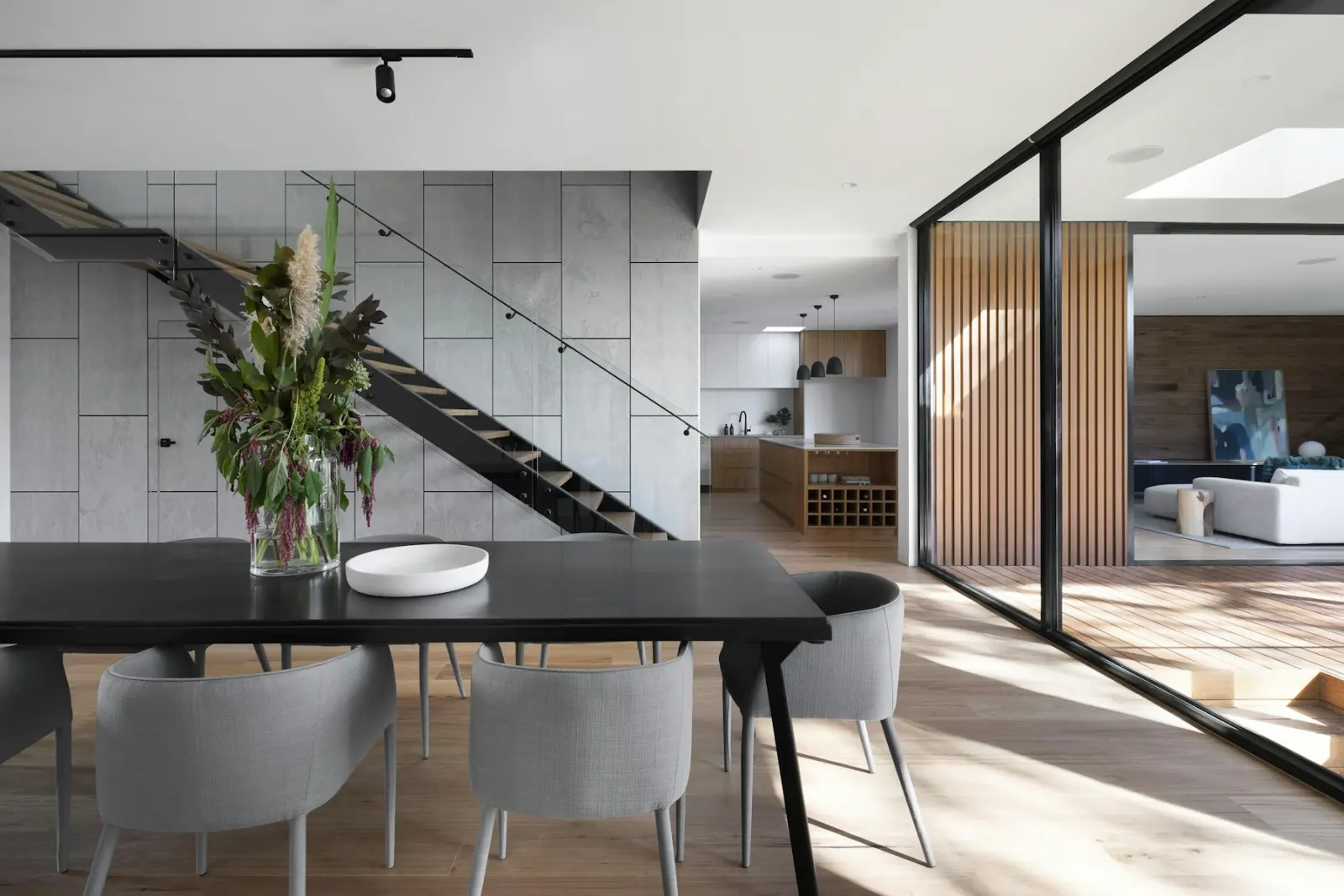
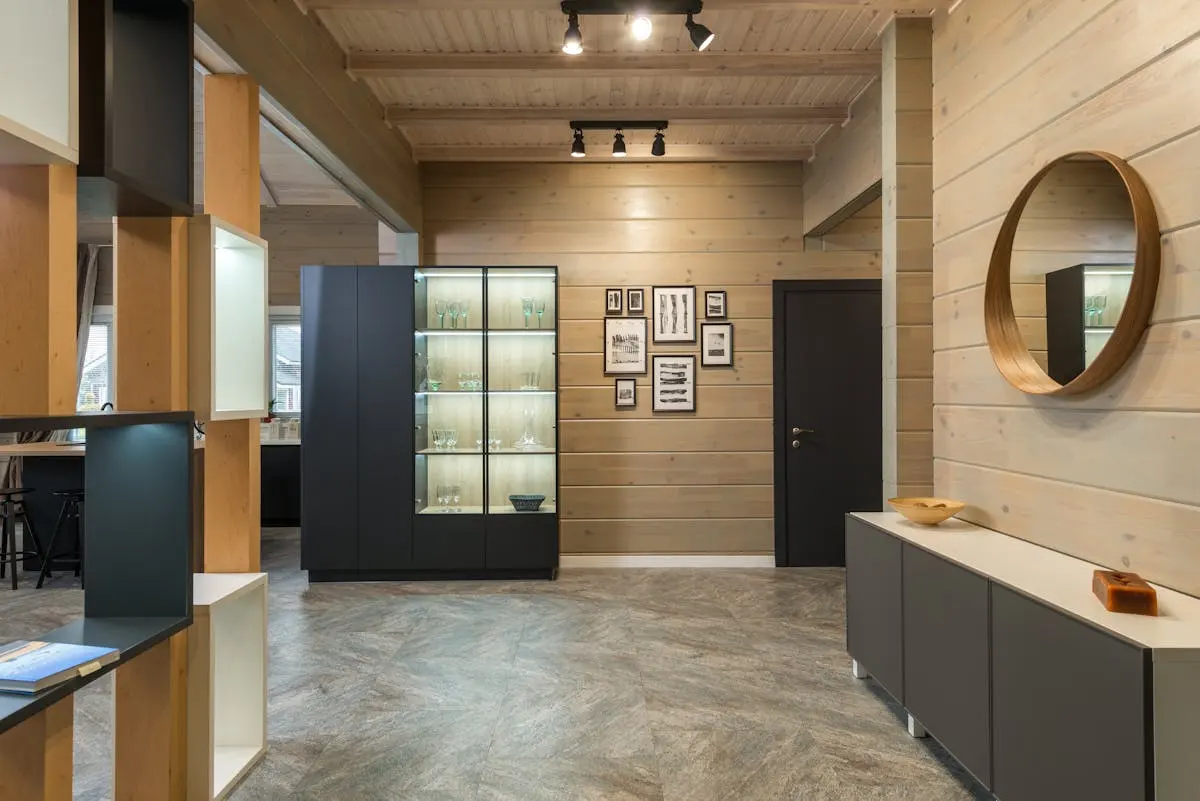
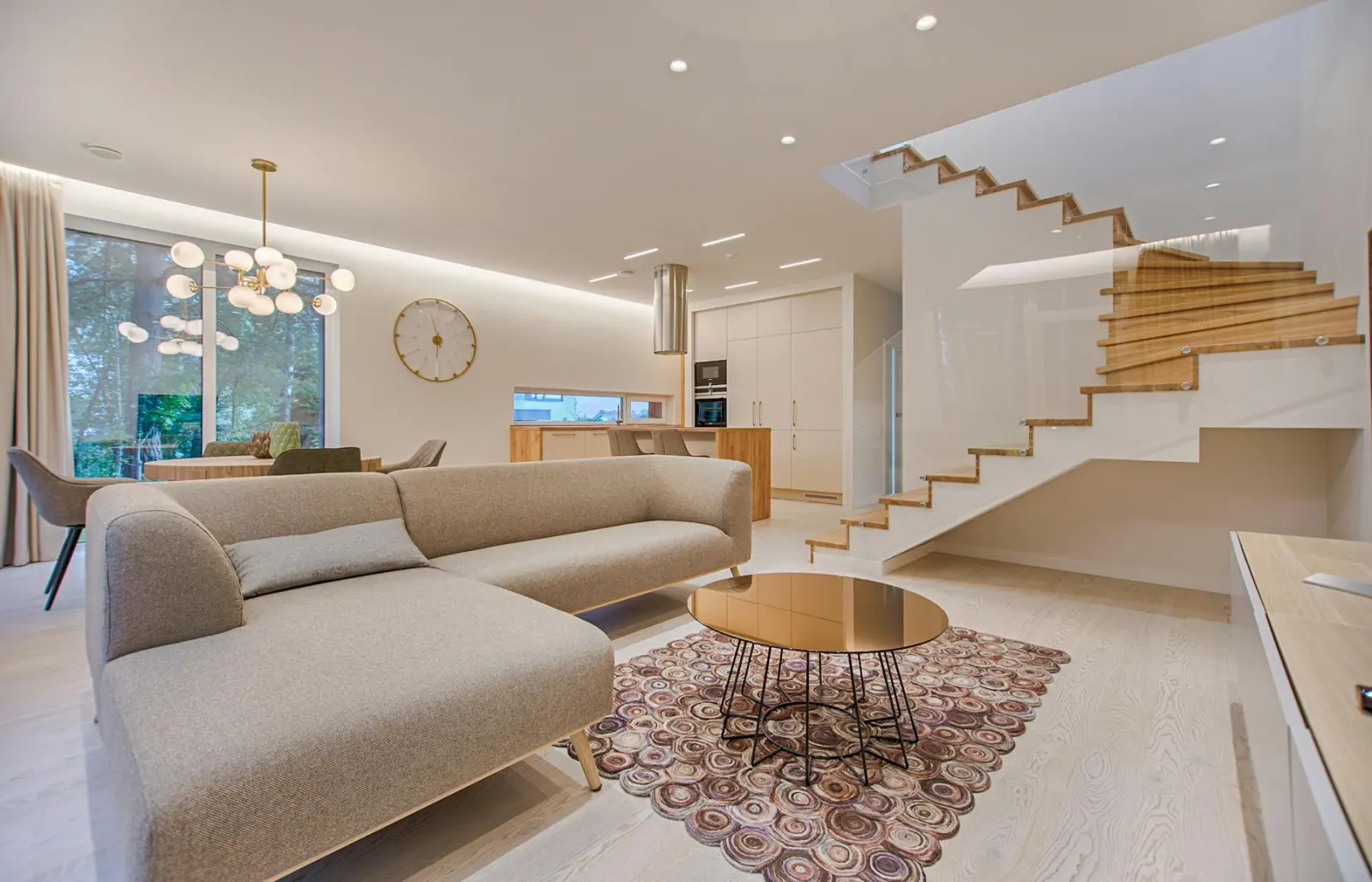
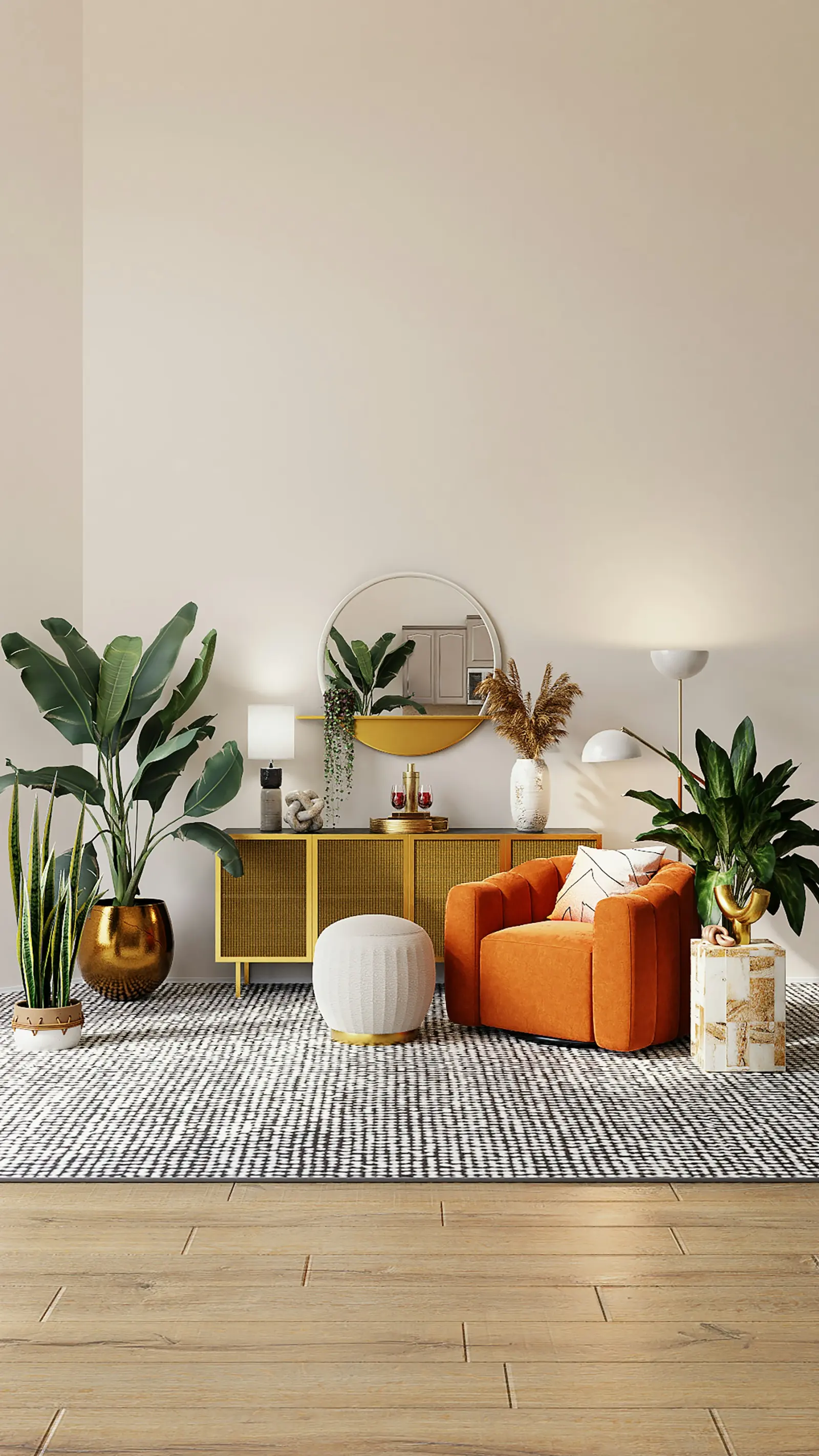
Reference imagery showing the sorts of rooms and surfaces this work sits in. These are not Ink Blend projects — each caption describes what the photograph actually shows.

FAQs
Yes, and the real question is whether you want the texture to show. An image printed across brick follows the relief and the mortar lines, which can look excellent with bolder compositions but will swallow fine detail and small text. The alternative is filling and levelling for a flat face, which is real work and permanently changes the wall.
Hold a phone light flat against the wall so it shines along the surface rather than at it, then photograph. Every ripple, patch, hollow and texture change appears immediately. On an old Hamilton wall it tells us more in one image than a dozen straight-on shots, and it is the difference between a useful first answer and a vague one.
It is completely normal in a converted building and it is exactly why we ask for the whole run photographed rather than the best-looking section. The changeover points are where the preparation conversation actually lives, and knowing where they fall lets us give you a straight answer about what the wall needs.
No, but it needs making good first, and that is true whatever finish goes on top. Old plaster sometimes parts from the lath behind it. Tap along the wall, note roughly where it sounds hollow, and mention it at enquiry — it is much better as a known item in the plan than as a discovery on site.
Tell us at the enquiry, and check what the designation actually covers. We cannot interpret or grant that permission. Interior walls are often workable while original features and street-visible elements may not be, so establishing what is permitted before any design work starts saves everyone the effort of designing something that cannot happen.
It is a good brief and worth stating early. A surface designed to sit behind rotating work is a genuinely different exercise from a feature wall meant to be the focus, and it is far easier to design toward from the start than to walk back a concept that was built to dominate the room.
Get a quote
Phone light held flat against the wall, shining along it, photographed in overlapping sections across the full run. Tell us what the wall is made of where you know, say so where you do not, and let us know whether you want the texture to show.
Or reach us another wayStart with a wall photo
Send photos, measurements, and a rough idea. Ink Blend will map the fastest path from concept to quote.