
Designed for the mirror view
Salon clients study the wall behind them in reflection for an hour. Text reads backwards and composition flips. It is worth designing for the view they actually get.

Retail and salons
Retail and salon walls are seen differently from any other commercial interior, and the reason is mirrors and fixtures. In a salon the client spends an hour looking at a mirror, which means the wall behind them is the wall they actually study — reversed. In retail the wall is almost never seen whole, because rails, shelving and display units stand in front of it. Designing for either without accounting for that produces something that looks right in a drawing and wrong in the room.
What this means in practice
Salon clients study the wall behind them in reflection for an hour. Text reads backwards and composition flips. It is worth designing for the view they actually get.
Rails, gondolas, shelving and counters cover much of a retail wall. Send the fixture plan so the visible strips are the ones carrying the design.
Shop and salon lighting is deliberately unusual — bright, cool, sometimes highly directional. Colour that behaves in daylight can shift noticeably under it.
Colour bars, backwash areas and nail stations meet chemicals a shop floor never sees. Tell us which stations sit against the wall.
Have those details to hand? That is everything we need to give you a real answer.
Send them nowBefore you enquire
Brand assets supplied by a head office are often sized for print collateral rather than for a wall. Check what you have been given before you build a fit-out around it.
Fill in the wall size and the image dimensions to see the result.
A salon client sits facing a mirror for the better part of an hour. What they look at is not the wall in front of them — it is the wall behind them, reversed, framed by the mirror. That single fact should change how a salon feature wall is designed and it very rarely does. Text reads backwards. An asymmetric composition leans the other way. A detail placed thoughtfully behind the styling chair may sit exactly where the client's own head blocks it.
The practical step is to photograph the wall as seen in the mirror from a seated position at each station, not from standing in the middle of the room. It takes two minutes and it is the single most useful thing a salon can send. What comes back is often surprising even to the owner.
Barbershops have a variation on this: the mirrors are usually closer, the seated position is lower, and clients face the wall directly more often. Worth saying which you are, because the design answers differ.
The awkward truth about a retail feature wall — and it is most obvious in the compact village units around Oakville — is that customers rarely see much of it. Rails hang in front of it, gondolas sit against it, shelving covers the middle band, and a counter takes a section out entirely. What is actually visible is often a strip above the fixtures and a few gaps between them — and that is what the design has to work with.
This is why the fixture plan matters more than the wall dimensions. A composition designed for a clean rectangle and then installed behind a full-height rail has lost its subject. A composition designed knowing the visible band sits between roughly shoulder height and the ceiling can put everything that matters exactly where it will be seen.
It also affects whether a printed wall is the right tool at all. If a space is reset seasonally with new campaign imagery, a permanent printed finish is the wrong choice for that layer — though it can work very well as the fixed backdrop those seasonal elements sit against. Being clear about which layer you are buying prevents an expensive mismatch.
Retail and salon lighting is deliberately not neutral. Shops light merchandise to make it look its best, salons light faces to make colour work assessable, and both tend toward brighter and cooler than a domestic or office setting. A colour that behaves predictably in daylight can shift visibly under a bank of cool directional downlights, and a wall that sits under a lighting track will read differently along its length.
Send the colour temperature if you know it, and photograph the wall under the lighting you actually trade with rather than during a daytime visit with the blinds open. If an exact colour match matters — to a brand, a product line or an existing scheme — say so plainly at enquiry so it can be treated as a requirement to prove rather than a hope.
Chemistry is the salon-specific one. Colour bars, backwash areas and nail stations meet bleaches, developers, acetone and solvents that a shop floor never encounters, both as splash and as airborne residue settling on nearby surfaces. If any of those stations sits against or near the wall in question, tell us which, because it directly affects whether that wall is the right candidate.
Context
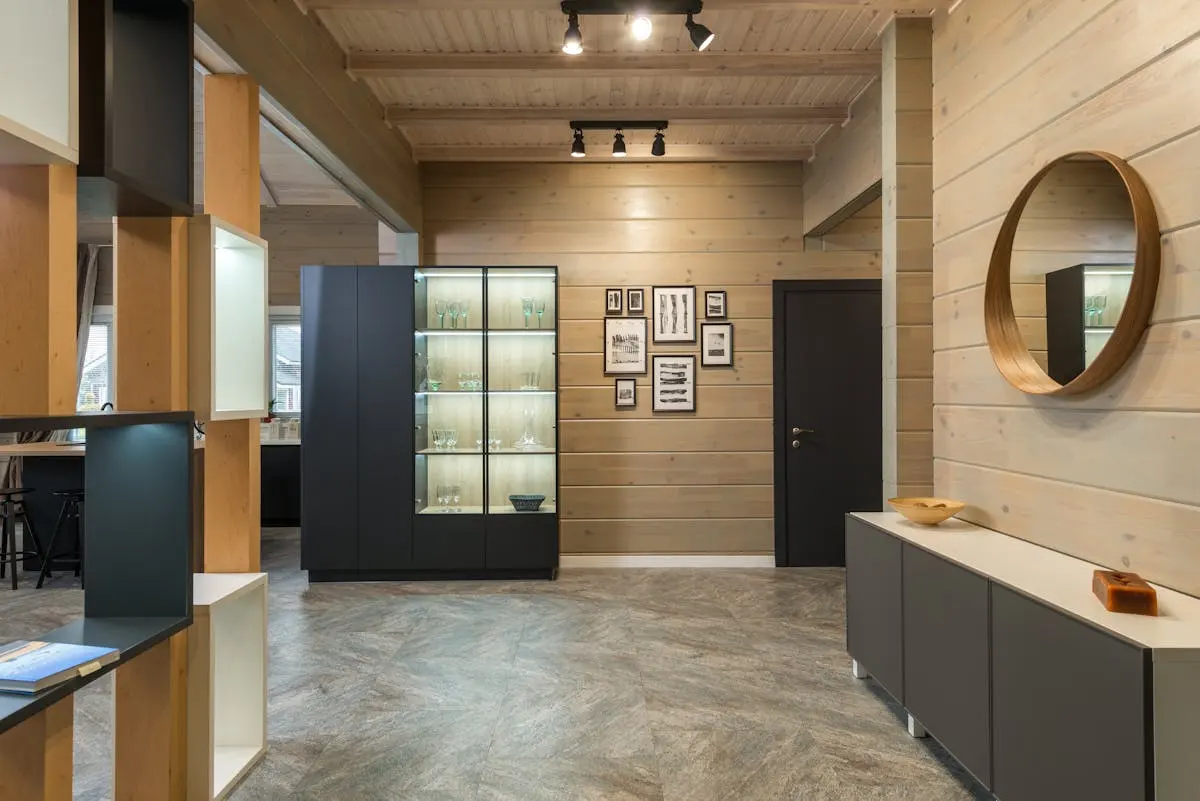
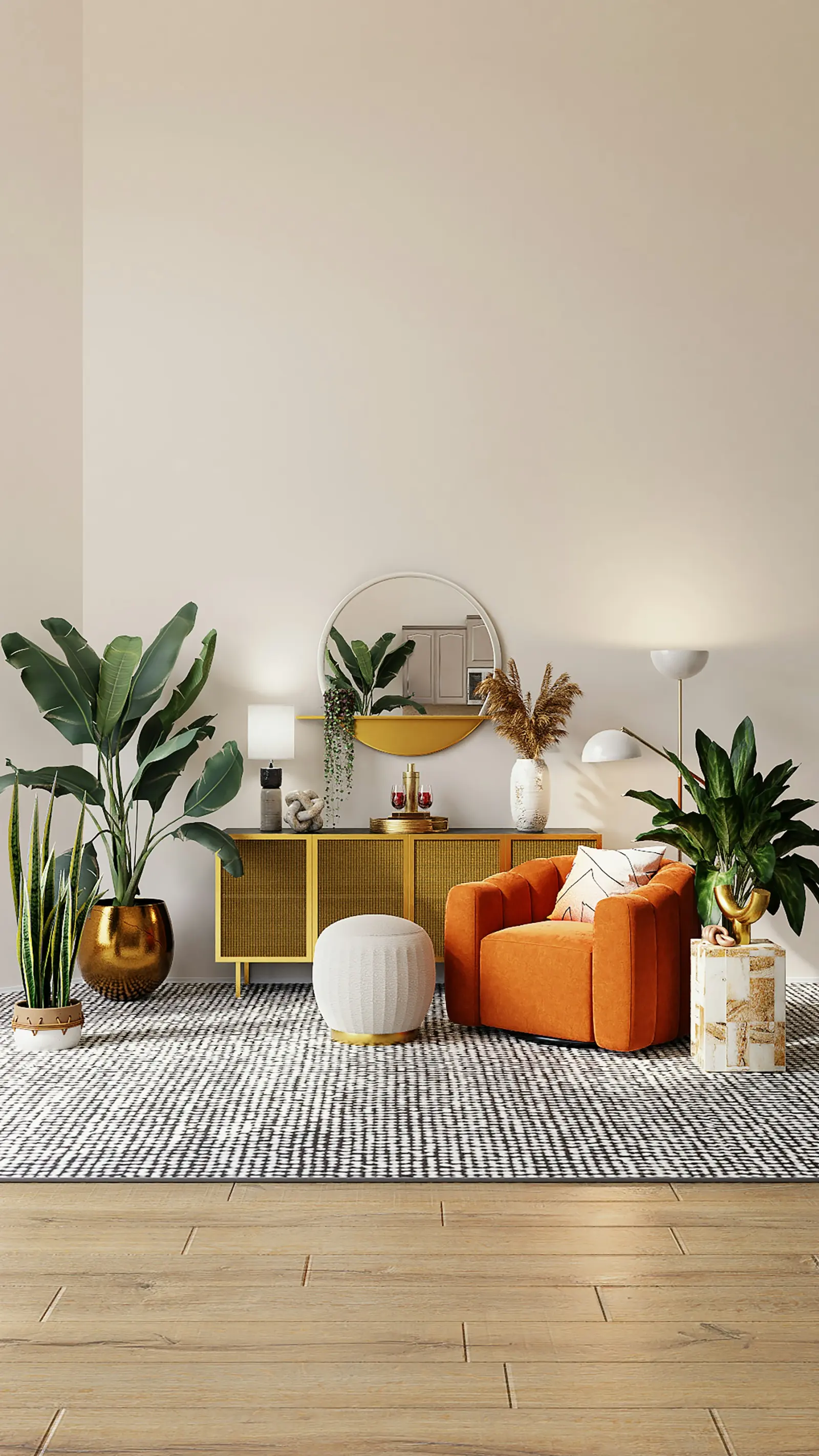
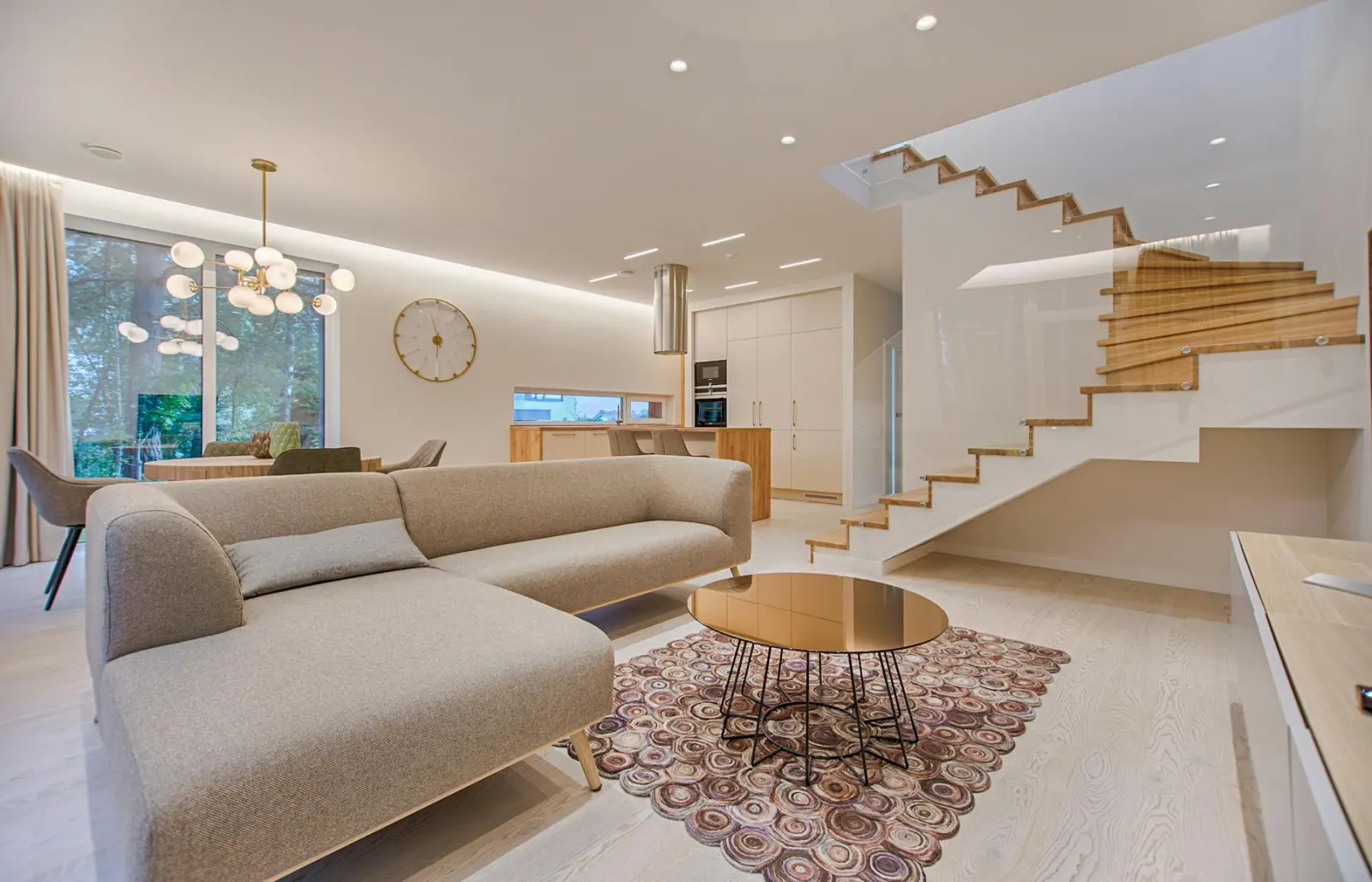
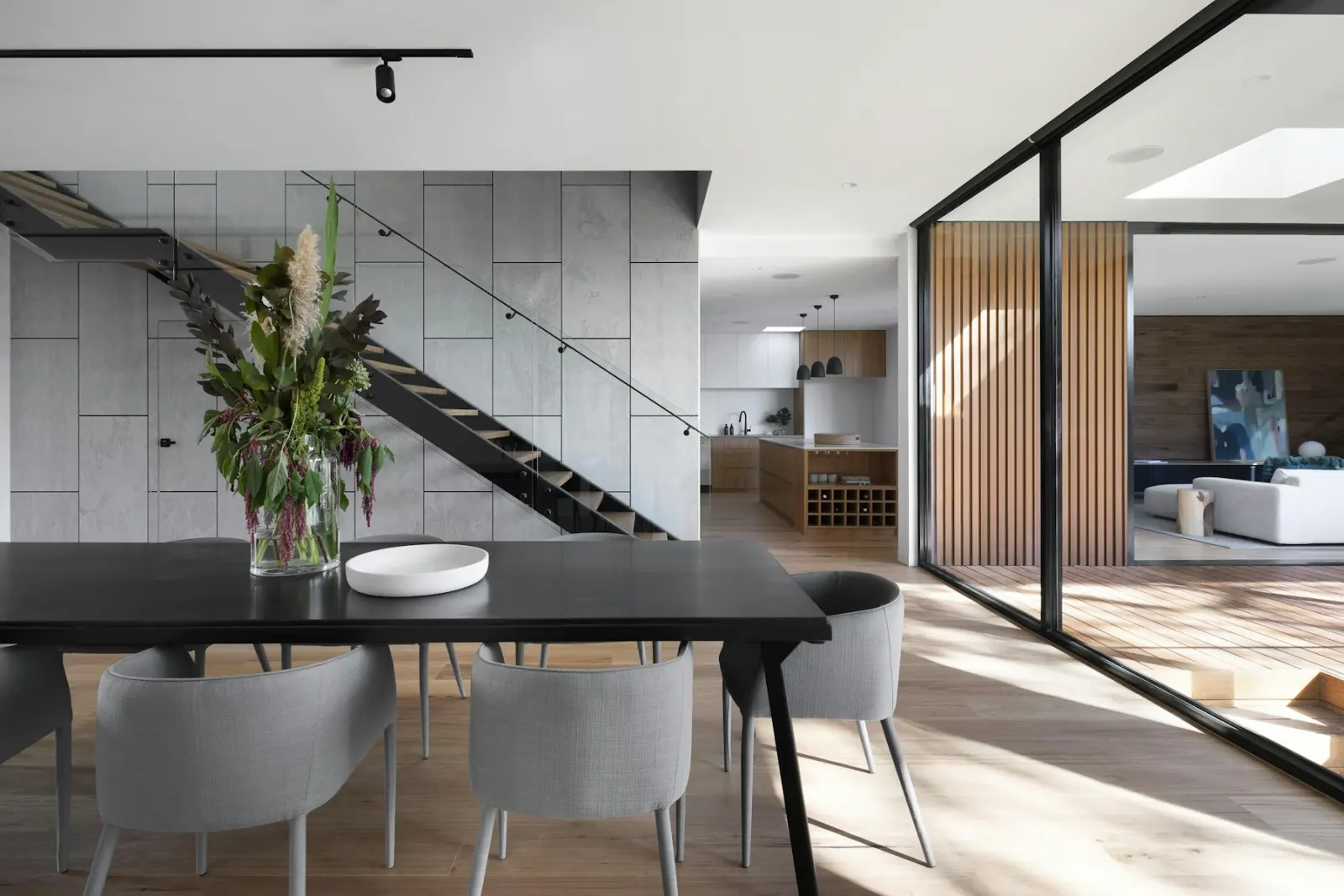
Reference imagery showing the sorts of rooms and surfaces this work sits in. These are not Ink Blend projects — each caption describes what the photograph actually shows.

FAQs
Sit in each styling chair and photograph what you see in the mirror. That reflected view is what your client studies for an hour, and it is almost never the same as the view from standing in the middle of the room. Send those alongside a straight-on shot of the wall itself.
Yes, but the fixture plan matters more than the wall dimensions. Send what stands in front of the wall and how much stays visible. A design built knowing the visible band sits above the fixtures puts its subject where customers will actually see it, rather than behind a full-height rail.
Possibly, but be clear which layer you are buying. A permanent printed finish is the wrong tool for imagery you intend to swap seasonally. It works well as the fixed backdrop those seasonal elements sit against. Confusing the two is how businesses end up paying for permanence they did not want.
It does, so tell us. Colour bars, backwash areas and nail stations meet bleaches, developers, acetone and solvents both as splash and as airborne residue settling nearby. That is a materially different exposure from a shop floor, and it affects whether the wall you have in mind is the right candidate.
Not necessarily, which is why it is worth checking. Retail and salon lighting is deliberately bright, often cool and frequently directional, and colour that behaves in daylight can shift under it. Photograph the wall under the lighting you actually trade with, and tell us the colour temperature if you know it.
Slightly. Barbershop mirrors are usually closer, seated positions are lower, and clients face the wall directly more often than in a salon where the reflected view dominates. Say which you are at enquiry, because it changes where the composition should put its weight.
Get a quote
For a salon, photographs taken from each chair showing the wall reflected. For retail, what stands in front of the wall and how much stays visible. Add the lighting you actually trade under and flag any chemical stations nearby.
Or reach us another wayStart with a wall photo
Send photos, measurements, and a rough idea. Ink Blend will map the fastest path from concept to quote.