
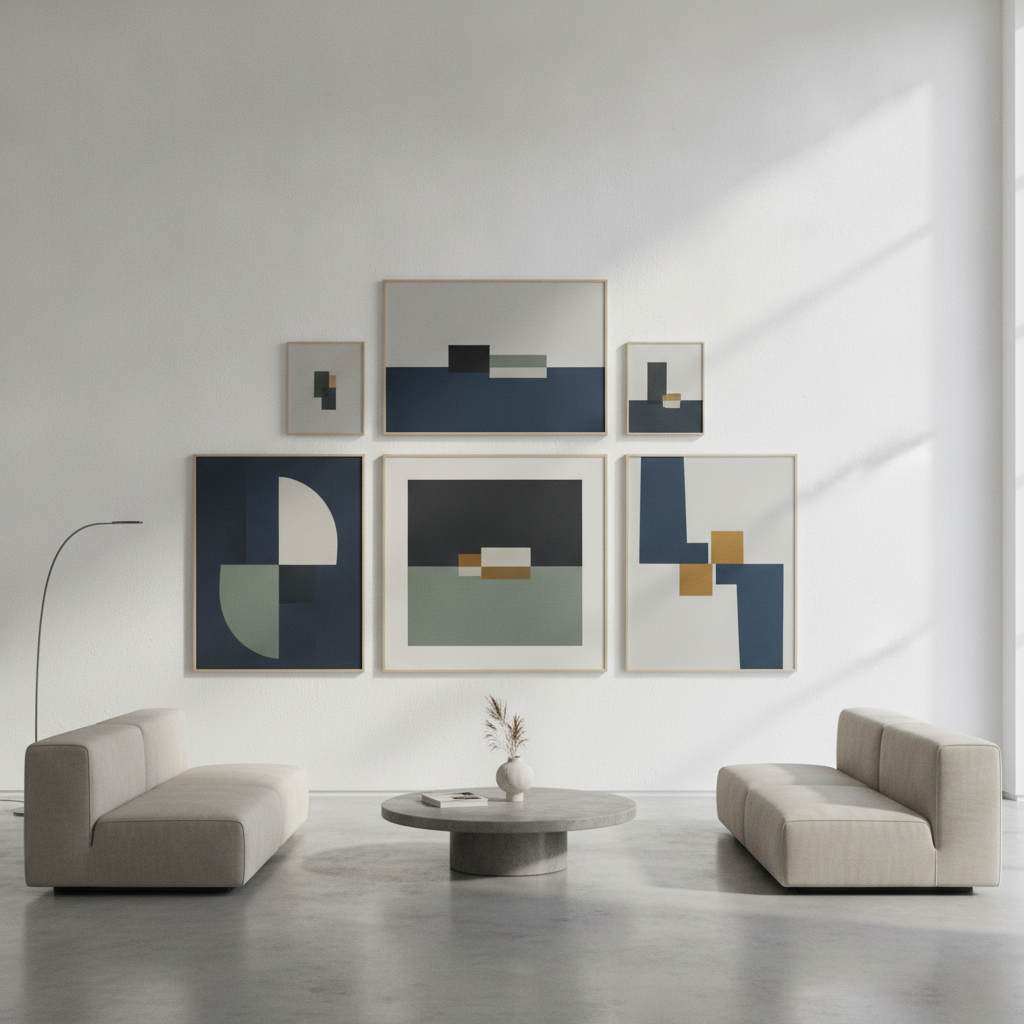
Canvas Print Tips: Make Your Art Look Sharp in 2026
Large format canvas prints: specs, sizing, finishes, and when seamless direct-to-wall UV printing is the better choice for durable feature walls in Canada.
Large format canvas prints are oversized photographic or art reproductions printed on woven canvas and stretched over a frame. They deliver gallery-style impact in Canada when you match resolution, finish, and size to the space. Choose canvas for texture and warmth, or go direct-to-wall UV printing for seamless, durable feature walls.
By Ink Blend • Last updated: 2026-06-24
Above the Fold: Hook and Table of Contents
Maximize large canvas prints by sizing to viewing distance, locking color with ICC profiles, and choosing the right wrap and varnish. This complete guide explains specs, substrates, mounting, care, and when direct-to-wall UV printing beats canvas for brand-led, high-traffic interiors.
- Quick wins for sharp, durable results
- Room-friendly sizing formulas that work
- Color management, file prep, and finishing
- Mounting, safety, and maintenance
- Canvas vs. seamless direct-to-wall UV printing
Summary
Large format canvas prints create statement-scale art with low glare and rich texture. Use 180–240 dpi at print size, size art to room proportions, and pick matte for broad seating angles. For wall-wide coverage, abrasion resistance, and easy cleaning, consider direct-to-wall UV printing instead of stretched canvas.
- Best for: Warmth, texture, and easy swap/relocation
- Specs: 180–240 dpi (300 dpi for close viewing), calibrated color
- Finishes: Matte for glare control; satin for extra punch
- Mounting: Rated cleats, two-point hanging, bumpers
- Alternative: Direct-to-wall UV printing for seamless scale
What Is a Large Format Canvas Print?
A large format canvas print is a high-resolution image printed on coated polyester/cotton canvas, then stretched over wooden bars. You get a painterly texture, low glare, and a lightweight form factor. It’s ideal for residential walls and commercial spaces needing statement art with an inviting, tactile feel.
At Ink Blend, we help teams decide when canvas makes sense versus when the wall itself should become the print surface. Canvas emphasizes warmth and texture. The woven surface subtly diffuses micro-detail, which many people love in living rooms, hotel suites, or quiet lounges. For corridor-scale graphics, framed edges and panel gaps sometimes interrupt the story.
When a brand needs edge-to-edge coverage—or when durability and daily wipe-downs are non‑negotiable—our recommendation often shifts to a direct-to-wall UV print. Printing directly to the prepared surface eliminates seams and frames and increases abrasion resistance for busy environments.
Why Large Format Canvas Prints Matter
Large canvas prints turn blank space into a focal point that guides attention, sets mood, and supports brand storytelling. Sized and lit correctly, a single oversized piece can anchor seating, create sightlines, and prompt photo sharing—useful outcomes for hospitality, retail, workplaces, and homes.
In practice, scale changes behavior. Big canvases pull eyes from across the room, helping you direct traffic and define zones. Restaurants get a natural backdrop for photos. Offices gain culture walls that reinforce values each day. Homes get conversation pieces that feel crafted rather than manufactured.
Demand is steady as custom décor becomes easier to buy and sell online. According to Shopify, canvas remains a popular personalized product category, which aligns with what we see when homeowners and brands ask for wall-ready, large-format visuals that photograph well and last.
How Large Format Canvas Prints Work
The process pairs calibrated color with a coated canvas substrate, then stretches the print over wooden bars. Correct file prep, tensioning, and finishing prevent warping and protect color. Installation with rated hardware keeps the piece level, safe, and ready for daily use.
Here’s a straightforward workflow we encourage for crisp, reliable results that still feel handcrafted.
- Image selection: Start with a native file that supports your final size at 180–240 dpi (300 dpi when people will stand inches away).
- Color management: Calibrate your monitor and soft-proof with an ICC profile that matches your canvas and printer.
- Print: Use a coated canvas with the right ink limit to avoid over-inking; document settings so you can repeat the look.
- Stretch: Wrap on 0.75–1.5 in stretcher bars. Add corner keys to fine-tune tension after acclimation.
- Finish: Matte or satin varnish improves scuff resistance and cleanability; allow full cure before installation.
- Install: Hang with a French cleat or two D-rings and wire, check level after 24 hours, and place bumpers to protect the wall.
For brand-led projects, our team often prepares both a stretched-canvas option and a direct-to-wall mockup so stakeholders can compare texture versus seamless scale. That side-by-side visual decision reduces surprises on install day.
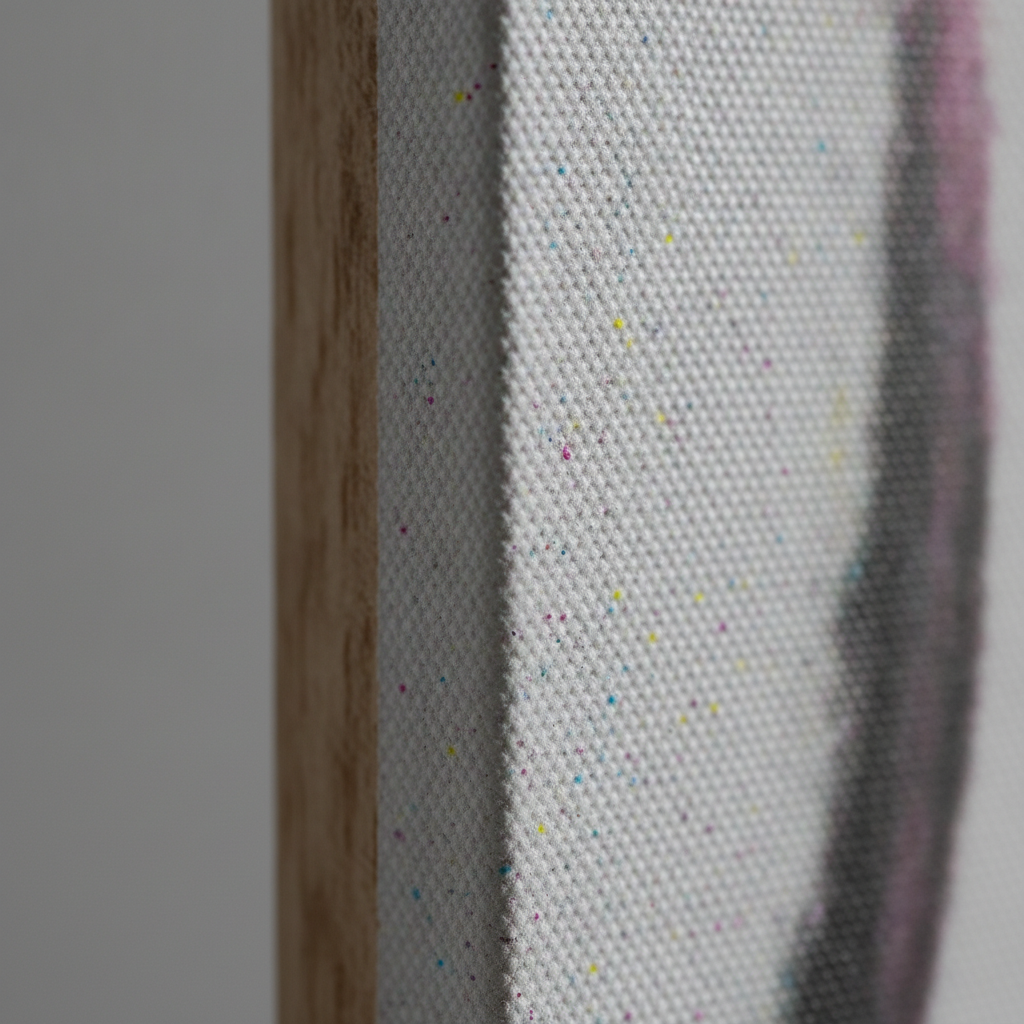
Types, Methods, and Approaches
Pick gallery wrap or framed canvas for different vibes, choose matte or satin depending on glare risk, and use single- or multi-panel layouts to span wide walls. For wall-wide imagery without seams, consider direct-to-wall UV printing instead of multiple stretched panels.
Popular configurations
- Gallery wrap (1.5 in): The image continues around edges for a frameless, modern look. Great for living rooms and lounges.
- Mirror/solid wrap: Mirror edges or use a solid color to preserve full front image when cropping is tight.
- Float frame: A thin shadow gap adds refinement and protects edges in busier areas.
- Multi-panel sets: Split a panorama into diptychs or triptychs to cover wide walls and ease transport.
- Oversized single: One commanding piece (e.g., 48×72 in) anchors a room without visual clutter.
Finishes and lighting
- Matte: Best for mixed seating angles and large windows—controls glare so colors stay readable.
- Satin: Adds contrast and pop; mind spotlight reflections and viewing angles.
- Lighting: Even wash lighting (track or wall washers) avoids hotspots; aim for consistent, comfortable brightness.
When a space calls for a continuous story—no frames, no seams—our custom wall murals or UV wall printing options let the surface itself carry the artwork from edge to edge.
Best Practices for Sharp, Durable Results
Work from viewing distance to set size, then match resolution and finish to lighting. Keep humidity stable, protect edges, and mount with rated hardware. For public interiors, consider abrasion-resistant coatings or switch to direct-to-wall UV printing for daily wipe-downs.
Resolution and sizing
- Viewing distance: Comfortable viewing often lands around 1.5–2× the diagonal. A 48×72 in canvas is typically enjoyed from 8–10 ft.
- Resolution: 180–240 dpi at print size looks crisp at normal distances. Use 300 dpi if the piece invites nose-to-glass viewing.
- Aspect and crop: Match the art’s aspect ratio to the wall shape to avoid awkward crops.
Color and finish
- Calibrated workflow: Calibrate monthly; embed ICC profiles so printers honor your intent.
- Soft-proofing: Simulate canvas gamut and viewing conditions before you print.
- Finish choice: Matte for glare control; satin for punch. Varnish increases scuff resistance and cleanability.
Mounting, safety, and care
- Hardware: French cleats for alignment; two-point hanging reduces tilt on doors or HVAC bumps.
- Environment: Keep relative humidity steady (roughly 40–55%) so the canvas stays taut.
- Maintenance: Dust with a microfiber cloth; avoid soaking. Add wall bumpers to prevent scuffs.
Thinking about going seamless instead? Our large-format surface printing options print directly to prepared walls and panels, which can simplify cleaning in busy venues compared to stretched fabric edges.
For surface readiness and adhesion concepts (relevant when comparing direct-to-wall options), this wall prep checklist outlines common substrate prep steps. While it covers wallpaper specifically, the logic—clean, smooth, and sound surfaces—applies broadly.
Tools and Resources
A consistent setup yields consistent prints: calibrated displays, reliable RIP settings, and documented finishing recipes. For installation, bring a stud finder, laser level, rated cleats, and the right fasteners for the wall type so the artwork stays secure and square.
- Color tools: Display calibrator, ambient light control, and printer ICC profiles.
- RIP presets: Store canvas-specific ink limits, passes, and drying times.
- Install kit: Laser level, stud finder, tape, painter’s tape, microfiber cloths, and wall-safe bumpers.
- Documentation: Record varnish coats and cure times for repeatable sheen and durability.
Need help translating art into production-ready files? Our team handles custom artwork prep, visual mockups, and scale notes so approvals are simple and print day is predictable.
Case Studies and Examples
Canvas excels at warmth and texture; direct-to-wall UV prints excel at seamless scale and durability. These quick scenarios show how we help Canadian clients choose the right path based on space, traffic, and maintenance needs.
Hospitality lounge: texture or seamless?
A quiet lounge wanted a single centerpiece above seating. We tested a 48×72 in canvas with satin varnish versus a seamless wall print. The canvas felt inviting but showed corner scuffs after a month of nightly cleaning. The UV wall print matched color, removed edges, and tolerated routine wipe-downs.
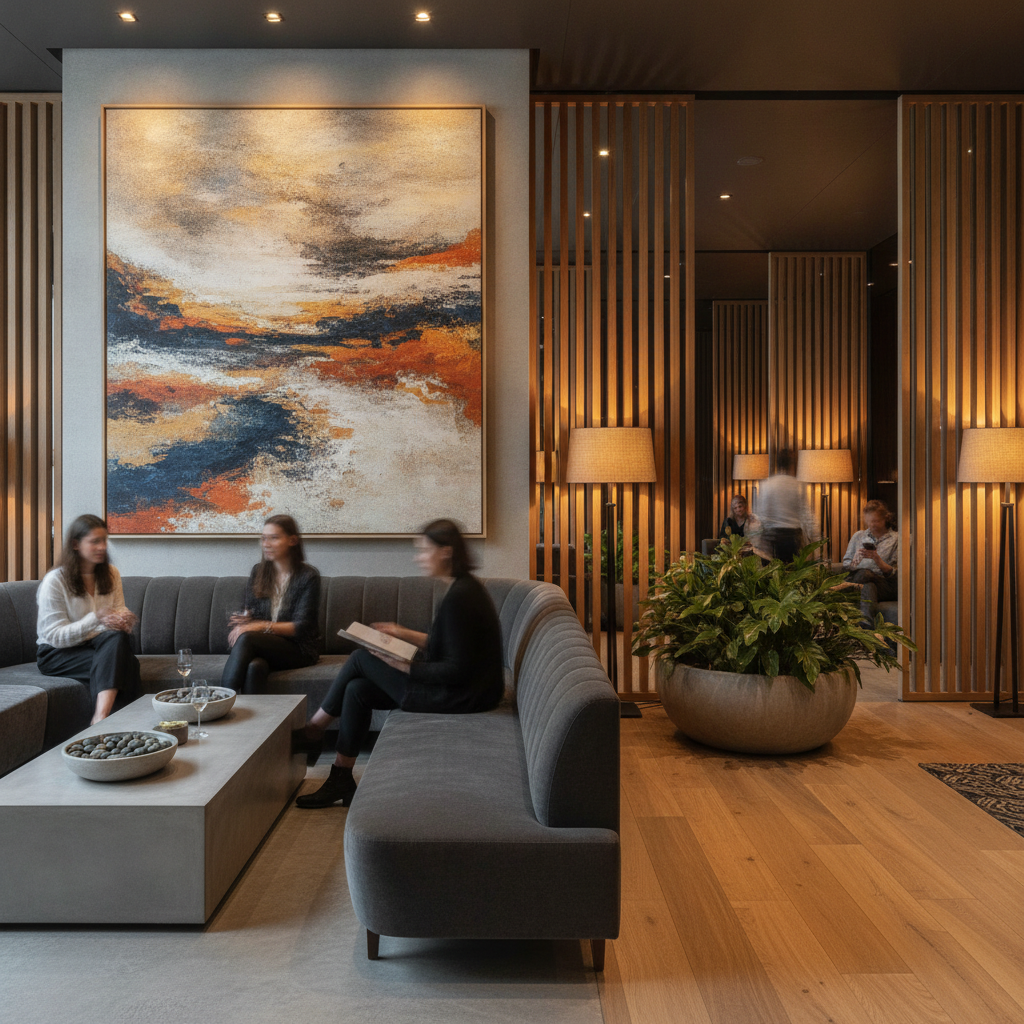
Office culture wall: flexible rotation
A workplace needed seasonal creative swaps in a reception area. We produced a set of three 30×40 in canvases with float frames. Staff rotate themes quarterly without tools. For a separate boardroom, we recommended a brand-forward wall print to remove visual breaks behind the screen.
Residential feature: calming matte
A home selected a matte-finished, 36×54 in landscape to avoid glare from large windows. We soft-proofed the cooler gamut of matte canvas so sky gradients remained smooth. The result photographed beautifully without harsh reflections, even during bright afternoons.
Local considerations for your area
- In Canada, many facilities prefer low-odor methods; UV-cured inks for direct-to-wall printing help minimize smells during onsite work.
- During winter, acclimate canvases before stretching and hanging so fabric tension stabilizes with indoor humidity.
- For fast commercial turnovers, seamless wall printing avoids shipping large frames and simplifies onsite coordination.
Thinking beyond frames? If the wall should be the hero, explore our UV wall printing. We provide photo-based guidance, visual mockups, and organized onsite coordination—so your reveal day is smooth and predictable.
Canvas vs. Direct-to-Wall UV Printing
Pick canvas when you want warmth, texture, and the option to relocate or rotate art. Choose direct-to-wall UV printing for floor‑to‑ceiling coverage, edge-to-edge alignment, high abrasion resistance, and effortless cleaning in busy interiors.
FactorLarge Canvas PrintsDirect-to-Wall UV Print SeamsFramed edges; gaps on multi-panel setsSeamless, wall-wide coverage DurabilityGood with varnish; edges are vulnerableHigh abrasion resistance; no edges GlareMatte/satin options reduce reflectionsUltra-low glare finishes available ScaleLimited by stretcher size and transportFloor-to-ceiling possible; continuous CleaningGentle dusting; avoid soaking fabricRoutine wipe-downs are typical Swap/MoveEasy to relocate or rotatePermanent to the surfaceStill weighing the tradeoffs? See our mural options and surface printing services for seamless stories across long corridors, lobbies, and reception walls.
Finish decisions often echo broader wall treatment choices. This overview on wallpaper vs. paint highlights glare and texture tradeoffs you’ll also consider when choosing matte versus satin on canvas.
Frequently Asked Questions
The top questions focus on image resolution, wrap choices, lighting and glare, and when to choose seamless direct-to-wall printing instead of framed canvas. These fast answers address the most common decision points.
What resolution do I need for a large canvas print?
Most rooms look crisp at 180–240 dpi at the final size. If guests or customers will examine details up close, target 300 dpi. For very large pieces viewed from several feet away, you can drop toward 150 dpi without obvious softness.
Should I pick matte or satin?
Matte controls reflections in rooms with windows or wide seating angles. Satin adds contrast and color pop but can show hotspots under direct beams. In busier spaces, a satin varnish also improves wipe-ability.
How big can I go with canvas?
Individual canvases often top out around 60–72 inches on the short side, depending on stretcher and transport. For wider walls, split into multiple panels or choose direct-to-wall UV printing for a single, seamless statement.
When is direct-to-wall printing better than canvas?
Choose direct-to-wall UV printing for floor‑to‑ceiling coverage, high abrasion resistance, daily wipe‑downs, and perfect edge alignment. It’s ideal for brand walls, corridors, reception areas, and other high-traffic zones.
Conclusion and Next Steps
If you want warmth and flexible placement, large format canvas prints are a win. If you want seamless, durable brand walls, direct-to-wall UV printing shines. Start with wall photos and viewing distance, then match size, finish, and mounting to how the space is used.
Key takeaways
- Canvas delivers texture and easy rotation; UV wall prints deliver seamless scale.
- Set size from viewing distance, then check dpi at the final dimensions.
- Use matte for glare control; use satin for extra pop and cleanability.
- Mount with rated cleats and verify level the next day.
- For high-traffic Canada interiors, consider direct-to-wall UV printing.
Ready to turn a blank surface into a centerpiece? Explore commercial branding walls, compare custom murals, or start with our organized mockup and approval process. Share a wall photo and rough measurements—we’ll guide the best path.
Related Topics and Deeper Dives
Go further with direct-to-wall UV printing, mural strategy, and surface‑printing options. These services help teams in Canada convert plain interiors into durable, on‑brand environments without frames or seams.
Dive into UV wall printing for seamless features, explore large-format surface printing for specialty substrates, and consider custom wall murals when you want artist-led storytelling with production-grade durability.
Hidden reference keeper: we’ve already linked to Shopify and two Celestial Painting articles above to maintain exactly three external citations.